
Vapor barrier installation in Apple Valley MN - moisture handled before it's covered
Damp crawl space or musty basement? We find the moisture first, then put the right barrier where it belongs.
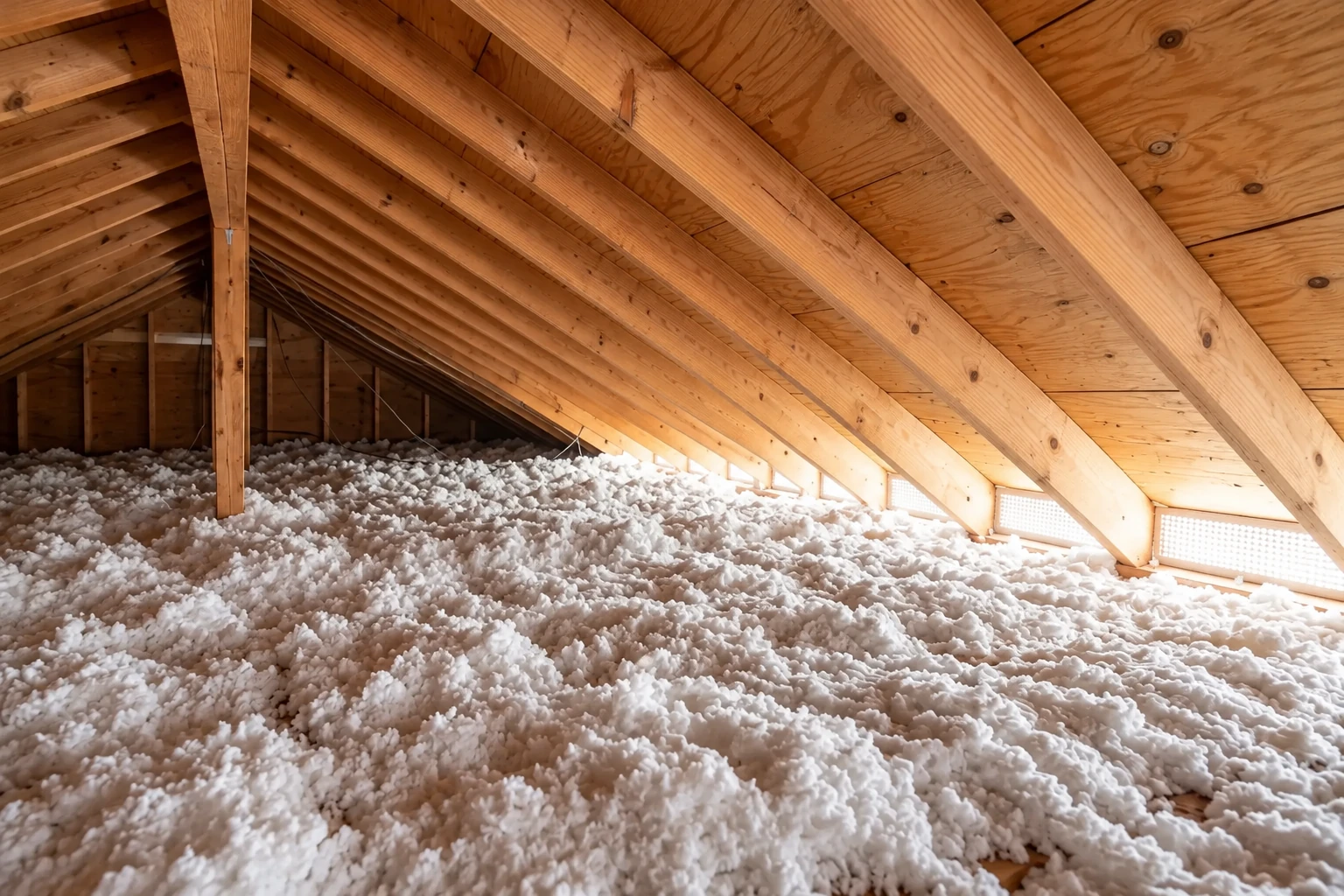
Where does a vapor barrier go in my crawl space or basement?
Vapor barrier installation in Apple Valley puts a layer that slows moisture where your house needs it, usually a plastic ground cover over a crawl space floor or a layer on the inside of frame walls. Done well, it helps keep ground moisture and soil gases out of the house.
Most people call about a musty smell, a damp crawl space or a basement they want to finish, and they want to know if plastic alone will take care of it. The price turns on which space it is, how big it is, how much has to be cleared out and whether there's a moisture problem to fix first. That repair sets the schedule too, because the barrier waits until it's done. We're based in Apple Valley and work in Minneapolis, Saint Paul and many of the cities around them, and the estimate is where I tell you what I found and what I'd do first, including whether basement insulation belongs in the plan.
- Licensed and insured.
- Free in-person estimates.
- We reply within 1 business day.
What vapor barrier work looks like
How we handle vapor barrier installation
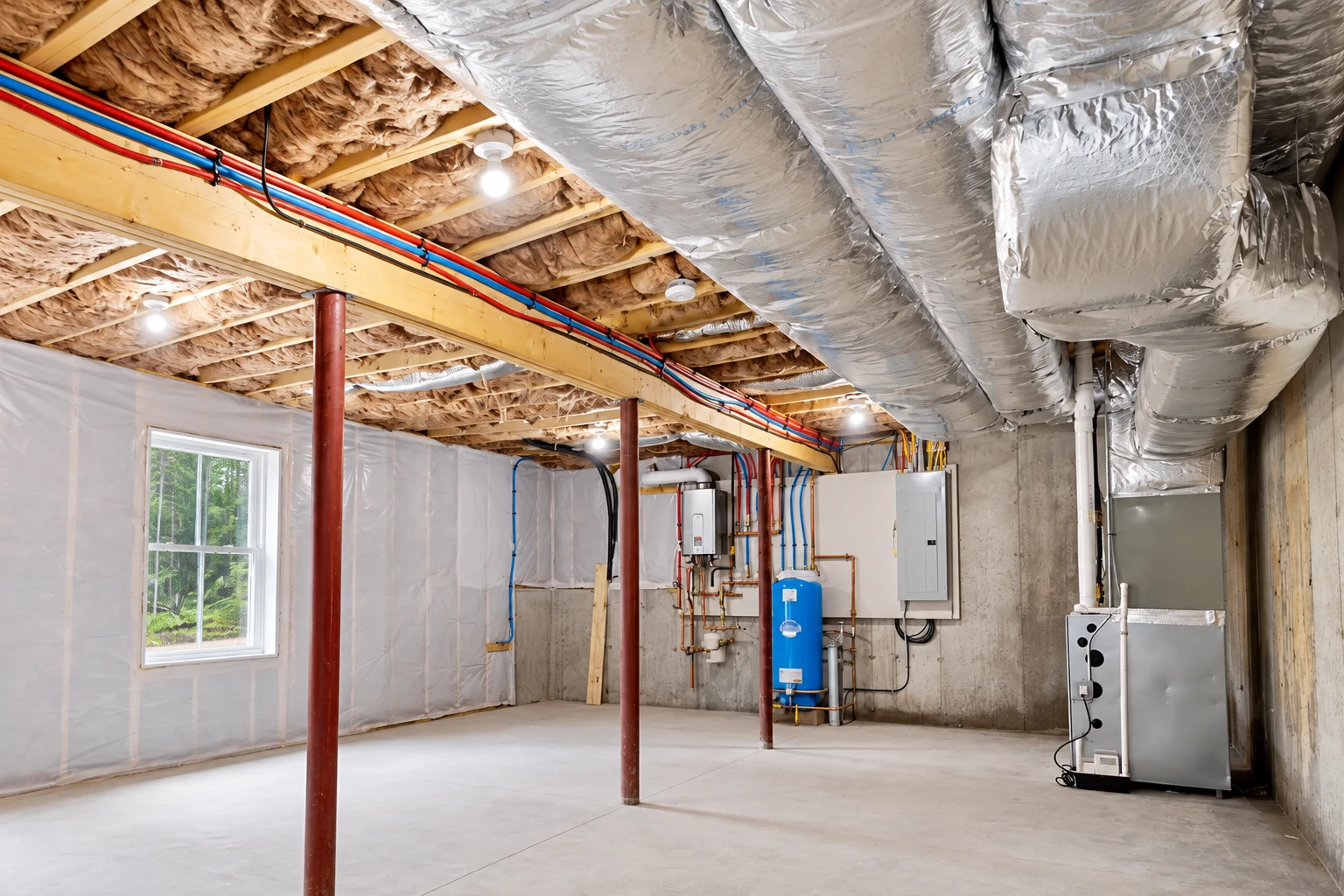
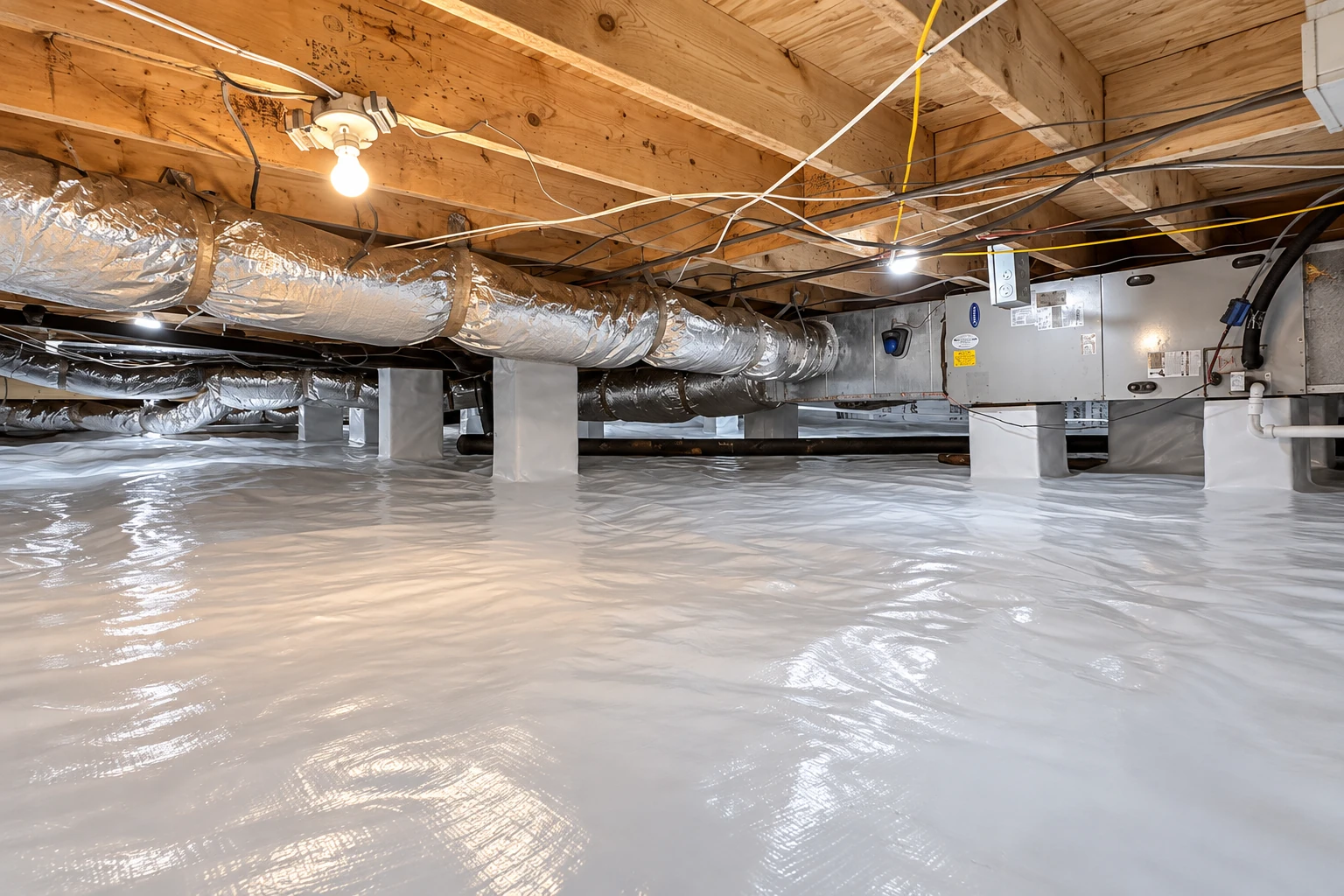
I start by finding where the moisture is coming from, because a barrier laid over a leak or a wet spot just hides it, and if there's a problem we fix it before any barrier or finish goes up. A crawl space floor, a basement wall and a frame wall each need a different approach, so we treat each one as its own job. In a crawl space our crew clears out stored things and debris so the ground cover reaches the whole floor, then seals the seams and edges. On a wall, I explain which layer fits that wall and why before anything is ordered, and once the crew finishes and cleans up, I look the work over.
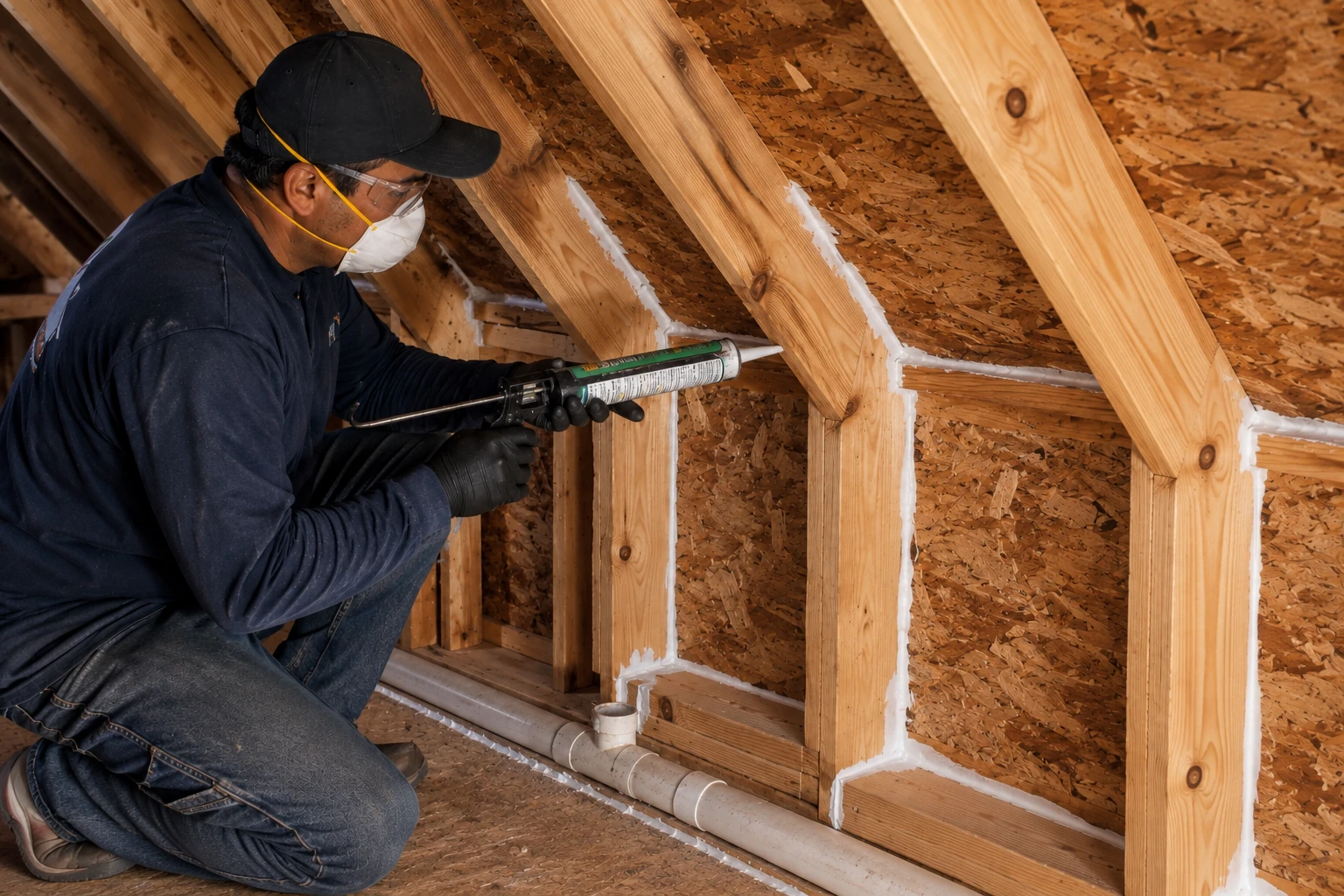
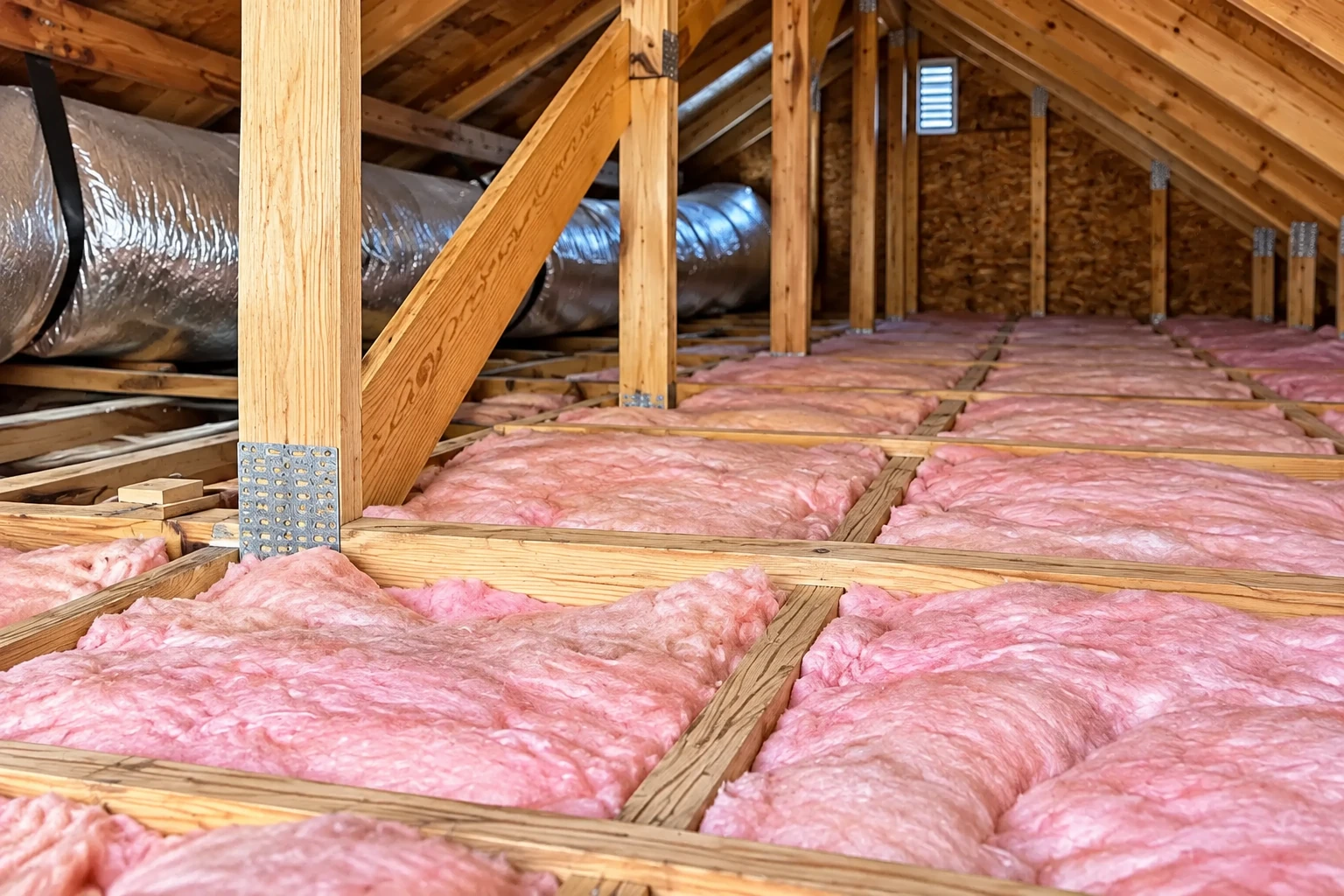
Moisture moves through the whole house, not just the lowest level. Warm, damp air also leaks up through the ceiling, so we often pair this job with attic air sealing, which closes the gaps around lights, pipes and the hatch before any insulation goes up there. In an older house with closed walls, retrofit insulation adds insulation without tearing the walls open, and I'll tell you where a barrier fits with it.
Why Apple Valley homeowners call Apple Valley Insulation Company for vapor barriers
I write every estimate myself
I come out to look at the job and write the estimate myself, and our installers do the work. I look it over before we finish, so the person who found the problem is the one checking it's been handled.
In business since 2021
We've been at this since 2021, and we're best known for slowing down and explaining what's going on in a crawl space or wall before anyone picks a material. I'd rather answer the same question three times than have you agree to work you don't understand.
Licensed and insured for your job
Minnesota requires a license for residential building contractors and remodelers who contract with a homeowner and offer more than one special skill, and we're licensed and insured. It's a fair thing to ask any contractor before they start on your house.
Basement plans checked against city rules
Apple Valley wants rigid foam board on a basement wall covered on the inside by drywall or another approved thermal barrier, and new wall bottom plates of approved treated wood unless a waterproof barrier separates the slab from the ground. I check your plan against those before we order anything, so the inspection isn't where you find out.
What matters most on this job is finding the moisture before anything covers it, so it starts with a look at the space. Ask for an estimate or call (651) 268-6025.
Get a straight answer on your crawl space or basement
Send the form and we'll get back to you within one business day to set up a free on-site estimate. Tell us the space, its rough size and any damp signs. There's no obligation.
- Licensed and insured.
- Free in-person estimates.
- We reply within 1 business day.
What happens after you call about a vapor barrier in Apple Valley?
Call or send a message
Call (651) 268-6025 or use the form, and tell us whether it's a crawl space, a basement wall or a frame wall and any damp signs you've seen. We get back to you and set a time for me to come out.
I look at it with you
I go through the crawl space or basement with you, look for where moisture is getting in and tell you what I found and what I'd do first. The estimate shows what the job needs, so you can see what's driving the price before you decide.
Our crew does the work
Once you decide, our installers fix any moisture problem first and then put in the barrier. I look the job over before we call it finished.
Vapor barrier questions from Apple Valley
Should I fix basement moisture before installing a vapor barrier?
Yes. Finishing a basement before you deal with moisture can make health problems worse and lead to serious damage. So the repair goes first on the schedule, and the barrier and finish follow.
How much does crawl space encapsulation cost in Minnesota?
Crawl space encapsulation with a vapor barrier and a dehumidifier usually costs about $5,500 to $10,000 in Minnesota for a 1,500 square foot crawl space. That's a statewide figure for the full job, so a barrier-only job or a different size can come out differently, and my estimate gives you a number for your space. Our work is backed by our satisfaction guarantee.
Who issues building permits in Apple Valley MN?
The city's Building Inspections Division issues permits for building, mechanical and plumbing work, and applications go through its ePermits system. If your job needs a permit, we check with the division, handle the paperwork and set up the inspections. The city lists insulation as a required inspection, and it can be done with the framing inspection when the inspector approves.
How can I make a crawl space vapor barrier last longer?
National building guidance suggests laying a second sheet over the first or covering the sealed layer with a concrete slab. Extra plastic or a vinyl runner along traffic areas, such as the path to the furnace, also helps protect it. I can tell you at the estimate which of these makes sense for how you use the space.
What is the best way to put a vapor barrier on a basement wall?
Usually not with a tight layer on the inside, because one national building science guide says moisture in below-grade walls always moves toward the interior, and heavy vapor control there traps it. If you're putting fiberglass batts against the foundation wall, though, the state requires a vapor retarder and air barrier on the warm-in-winter side, sealed at the top and bottom plates, around utility boxes and at overlapped seams. That's why I look at what's going on the wall before we pick the layer.
Do frame walls in Minnesota need a vapor barrier?
Yes, in Climate Zones 6 and 7 the state requires a Class I or II vapor retarder, the tighter grades, on the inside of frame walls. Class II is allowed only when the construction documents specify it, so the plans decide which layer goes in.
Work that goes with vapor barrier installation
Attic air sealing
If your upstairs is drafty or the attic smells damp, sealing the ceiling gaps is usually the next fix after the basement.
Retrofit insulation
Older houses often have thin or empty walls, and this adds insulation to them without opening them up, so it's worth asking about while I'm looking at the house.