
Home insulation in Apple Valley MN - rooms that hold their heat all winter
Cold floors, a drafty upstairs or a power bill that keeps climbing? We find where your house loses heat and fix those spots first.
What does it take to insulate an older house in Apple Valley?
Home insulation in Apple Valley comes down to two jobs done together: sealing the gaps where warm air slips from your rooms into the attic, then adding insulation where the house is thin. Doing both keeps rooms warmer, cuts down on the power bill and helps prevent the ice dams that damage roofs.
Most of the houses I walk through are older, with a few inches of settled insulation in the attic, a hot upstairs in July and cold floors in January, and the owner just wants to know where to start. The price moves with how much work the house needs, how many gaps call for attic air sealing, whether old material has to come out first and which material fits your space. The schedule mostly turns on how easy the attic is to get into and whether anything up there has to be dealt with before new insulation goes in. When I come out, I'll tell you what I found in your house and what I'd do first, so you're deciding from what's actually there.
- Licensed and insured.
- Free in-person estimates.
- We reply within 1 business day.
What home insulation work looks like
How we handle home insulation, start to finish
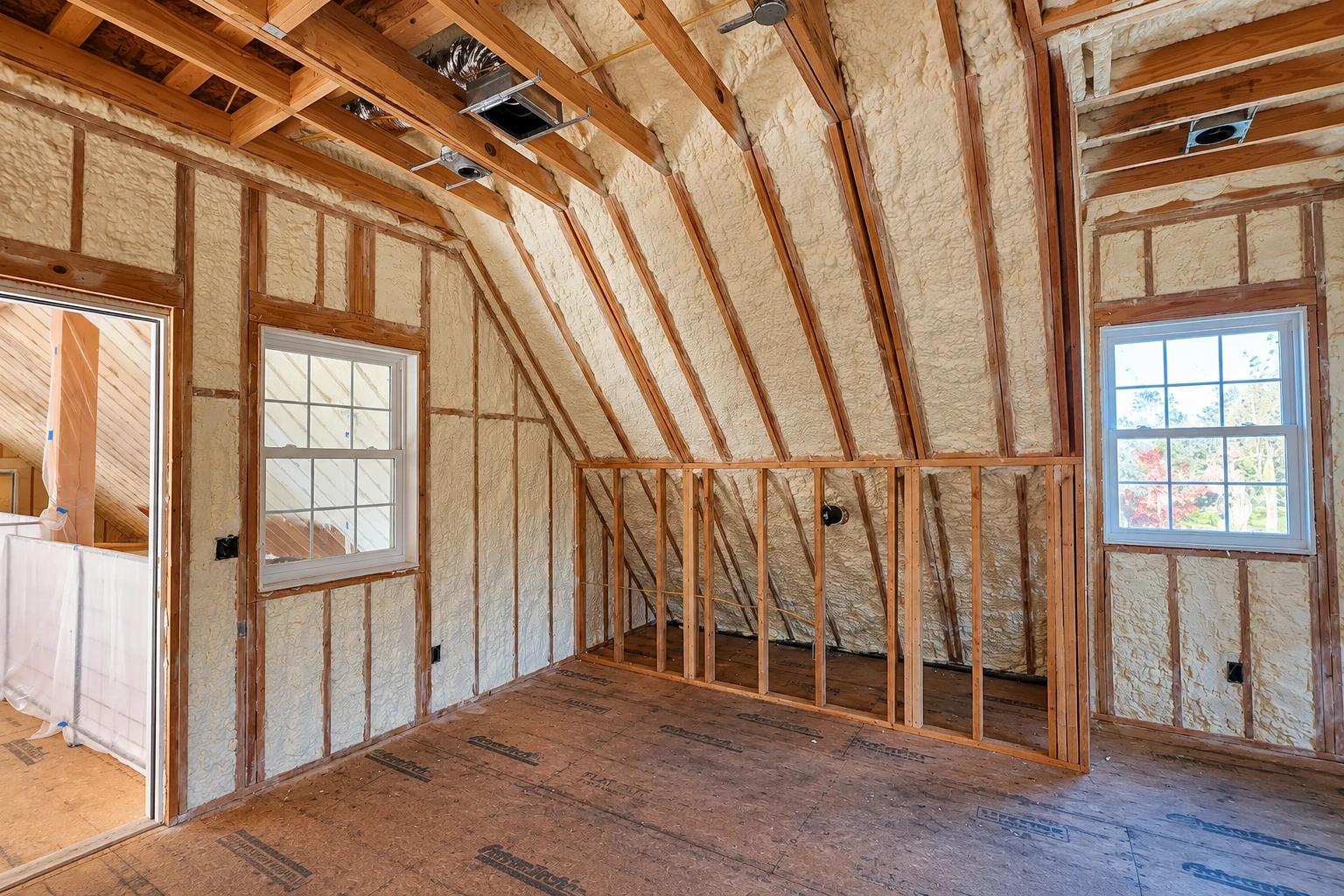
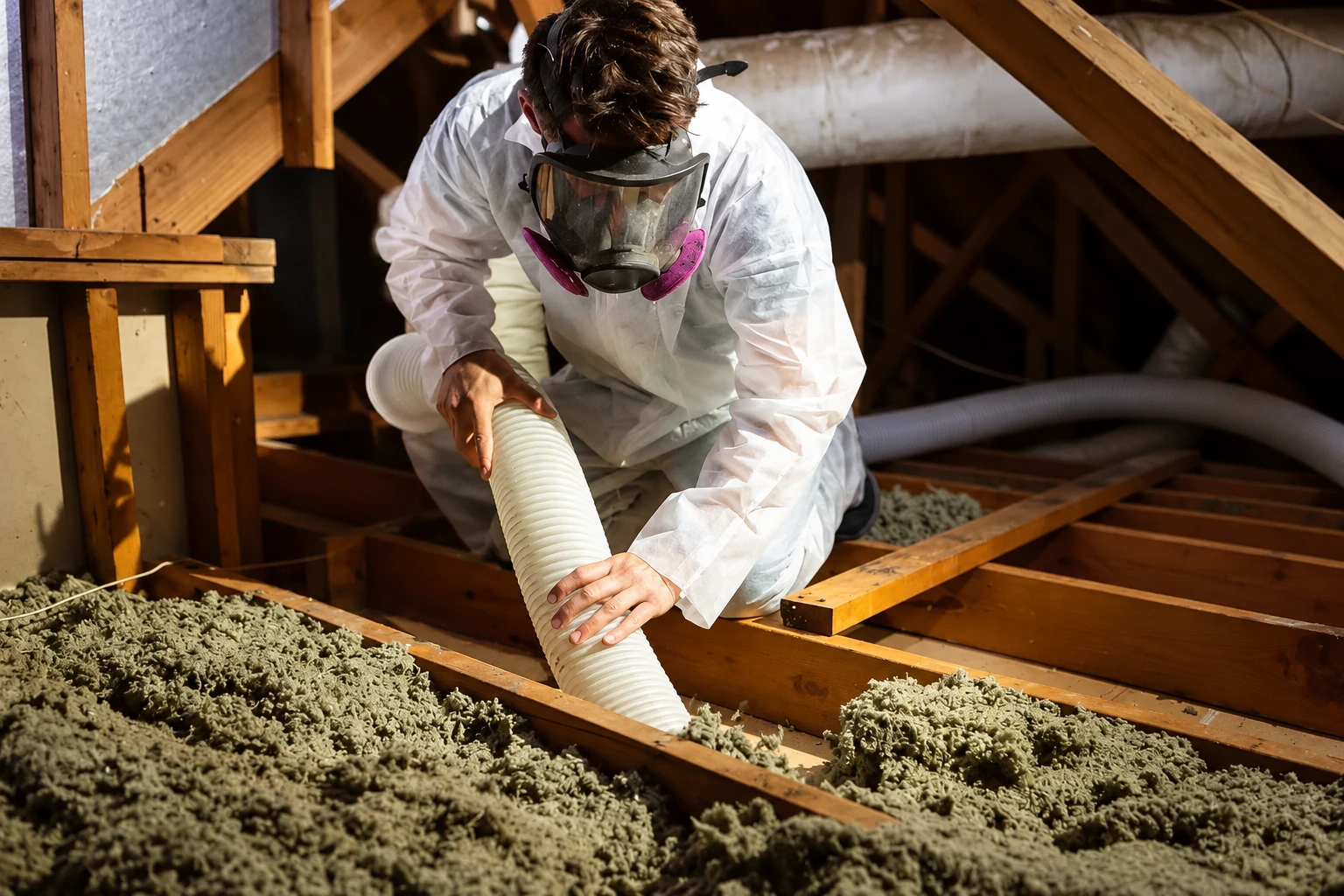
I look at the attic, the walls and the foundation together and set the order of the work, so your budget goes first to the spots losing the most heat. In the attic we check how many inches are already up there and whether any of it is wet or full of droppings, because new material over a problem just hides it. Then our crew does the air sealing, closing the gaps around can lights, pipes, wires and the attic hatch, since insulation laid over a draft ends up fighting it. Last, we add insulation and spread it as deep at the edges as in the middle, because the thin edges over the outside walls are where we usually find the cold spots.
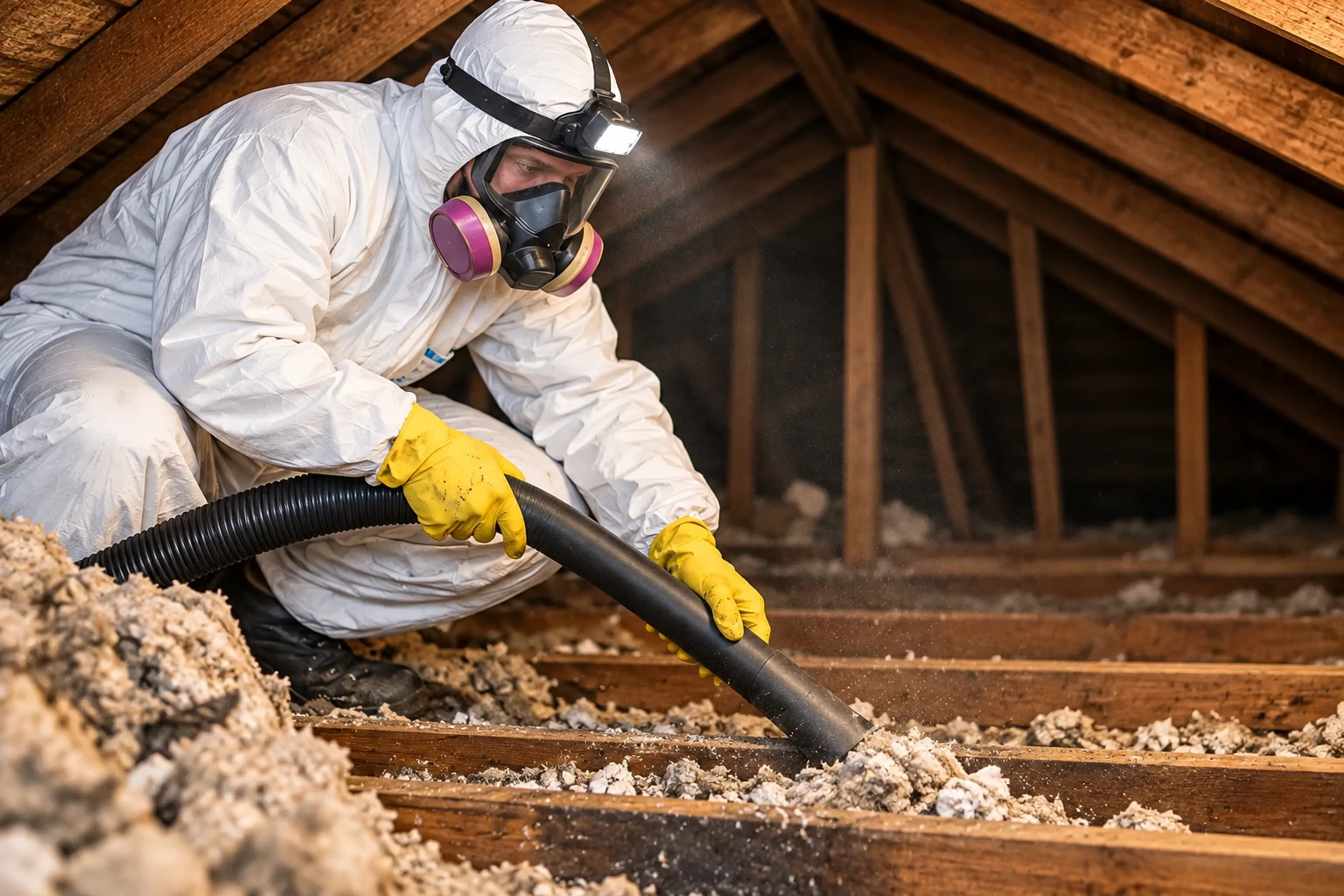
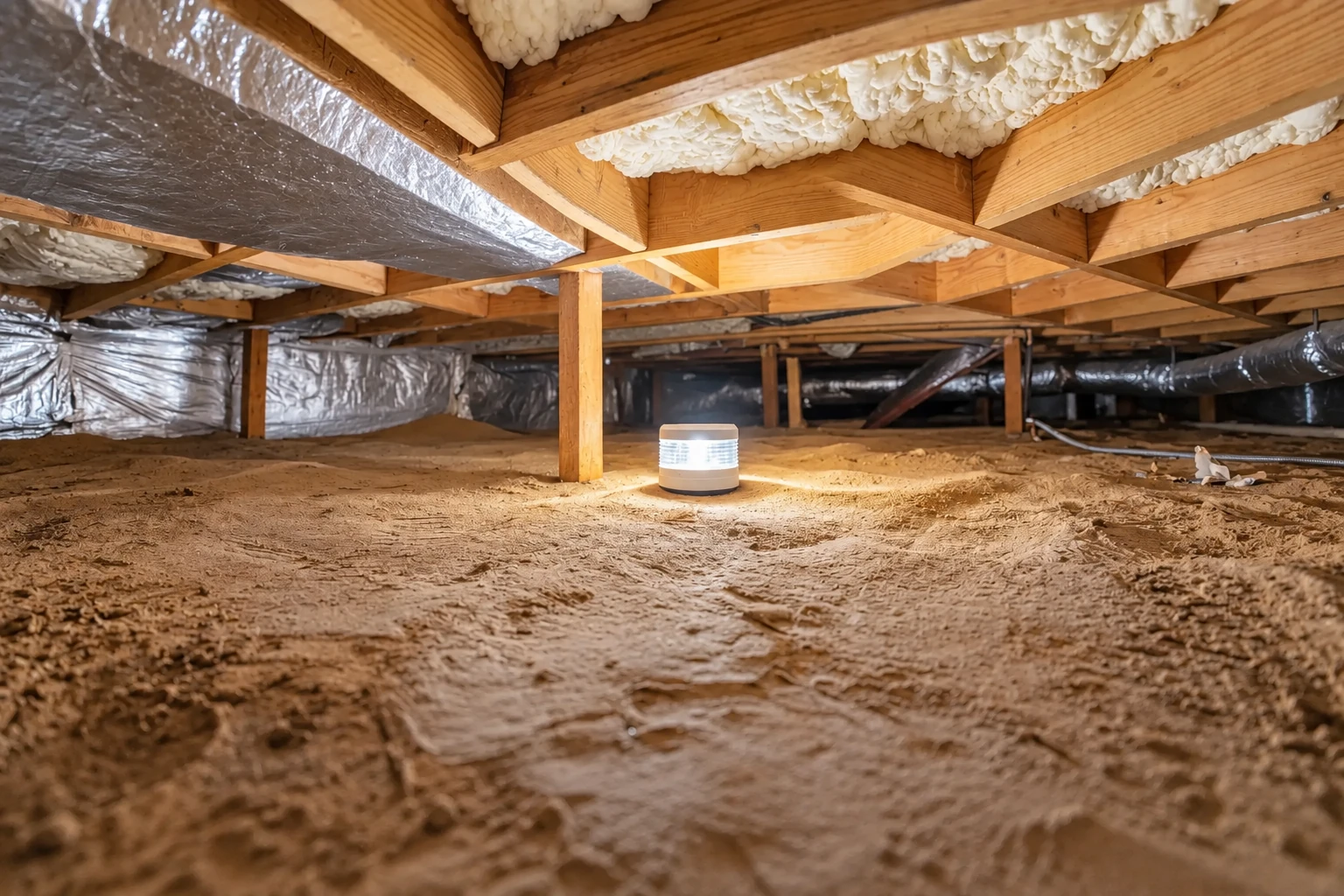
When what's up there is soaked or animals have been living in it, we clear it out first with insulation removal so the new material starts clean. Cold floors over a crawl space usually come from underneath, so I look below the house too, and we handle that part with crawl space insulation.
Why Apple Valley homeowners call us for home insulation
I write every estimate myself
I come out, look over your attic, walls and crawl space with you and write the estimate myself, and I check our installers' work before we call the job finished. You talk to the same person who saw your house, so nothing gets lost between the visit and the work.
A licensed and insured crew
Minnesota requires a license for contractors who take on home improvement work calling for more than one special skill, and the state Department of Labor and Industry handles those licenses. We're licensed and insured, so you aren't taking a chance on who's working in your house.
We sort out permits with you
Apple Valley's Building Inspections Division issues permits, and its list names building, mechanical and plumbing work but doesn't spell out insulation, so we check with the city's building inspections office before we start. If your city asks for a permit, we handle the paperwork and set up the inspections.
In business since 2021
We've been in business since 2021, and I learned this work blowing attics and sealing basements on an insulation crew long before that. I came back to it because I kept seeing the same drafty houses, and I'd rather answer a question three times than have you agree to work you don't follow.
What matters most on this job is knowing what's in your attic before anything new goes on top of it. Call (651) 268-6025 or send us a message, and I'll come take a look.
Find out where your house is losing heat
Send the form and we'll get back to you within one business day to set a time. I'll come out for a free on-site estimate, and there's no obligation to go ahead.
- Licensed and insured.
- Free in-person estimates.
- We reply within 1 business day.
What happens after you call about home insulation in Apple Valley?
Call or send a message
Reach us by phone or the form, and we'll set a time for me to come out. It helps to tell us your home type, how you get into the attic and whether you've seen anything that looks like vermiculite.
I walk the house with you
I look over the attic, walls and crawl space with you and tell you what I found and what I'd do first. Your estimate puts the work in order, so you can see which spots cost you the most heat and decide how far to go.
Our installers do the work
Our crew seals the gaps and puts in the insulation in the order we agreed on. If the plan uses spray foam, we'll go over the re-entry time, when it's safe for everyone, kids and pets included, to come back inside, before the work starts.
I check it before we finish
I look the work over myself, checking that the gaps are sealed and the depth runs even out to the edges. Then I walk you through what's up there now, so you know what you paid for.
Home insulation questions we hear
How much does attic insulation cost in Minnesota?
Attic insulation and air sealing in Minnesota usually runs about $1,000 to $4,500 per job, and energy advisors who review quotes say most land in the middle of that range. Where yours falls depends on how much work your house needs, such as how much insulation is already up there and how many gaps have to be sealed. Your estimate lays that out for your own attic.
Do I need to seal air leaks before adding insulation?
Yes. A Minnesota rule says attic insulation shall not be installed unless accessible attic bypasses, the air paths from heated rooms up into the attic, have been sealed. Federal energy guidance adds that insulation money can be wasted if the holes in ceilings, walls and the foundation aren't sealed first, so a sound quote should include air sealing.
How do I know if my attic has vermiculite insulation, and what do I do about it?
Vermiculite looks like pebbly pour-in fill, usually light brown, gray or gold, and it may have shiny flakes. The Minnesota Department of Health says disturbed vermiculite may release asbestos fibers, so the safest choice for intact material is to leave it alone, and if it's spilling through cracks into your rooms, those cracks should be sealed right away. For removal, the department strongly recommends a Minnesota-licensed asbestos contractor, so we plan the rest of the job around that.
Will insulation stop ice dams on a story-and-a-half house in Apple Valley?
It helps a lot, but on a story-and-a-half house it may not get rid of ice dams completely. The ceiling sits so close to the roof in those homes that there often isn't room for enough insulation, so we seal and insulate wherever there is space, because ice dams point to a problem inside the house and not just on the roof.
What is the best way to insulate an older house in Apple Valley?
For most older houses, sealing the gaps and topping up with loose fill is the better buy, unless your ductwork runs through the attic, where foam's extra cost often pays off. Loose fill, which looks like packing peanuts, can fill odd spaces without disturbing walls or finishes, while spray foam costs more but seals air and insulates in one step. Batts and rolls are the most common type in US homes and still work well in open framing.
What should a home energy assessment in Minnesota include?
Minnesota's Commerce Department says an advanced energy assessment should include a review of your energy bills, a blower-door test, which is a fan test that measures air leaks, and infrared scans of insulation levels and leaks. It should also include safety testing of fuel-burning appliances. If you've had one done, bring it to the estimate and I'll use it to plan the order of the work.
Work that often goes with home insulation
Insulation removal
If your attic insulation got wet or animals moved in, clearing it out gives the new material a clean start.
Crawl space insulation
A cold floor over a crawl space usually needs work from underneath, not more insulation in the attic.