
Retrofit insulation in Apple Valley MN - an older house that holds its heat
Drafty rooms, a hot upstairs or a big power bill in an older house? We find what's already there, then add insulation where it counts.
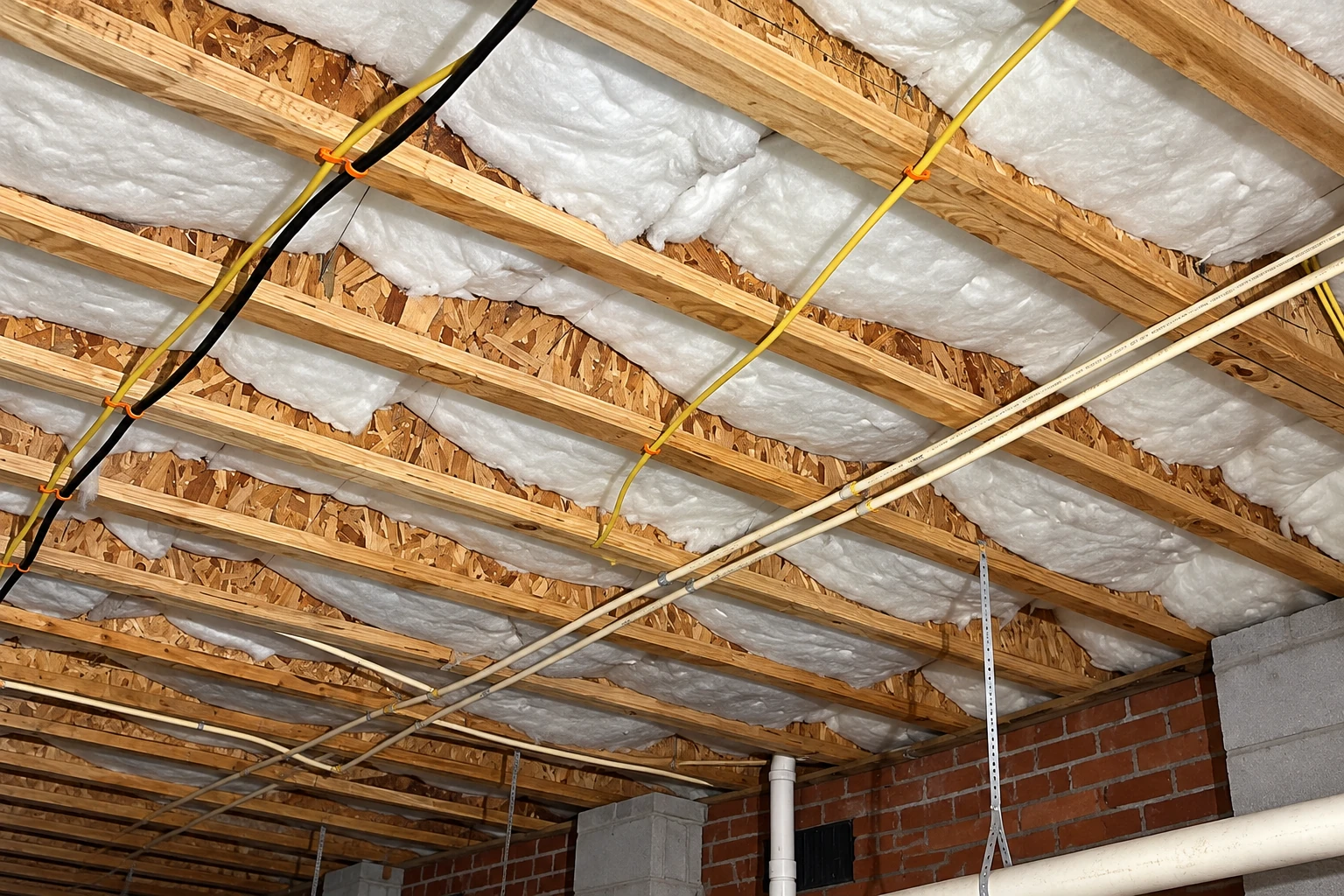
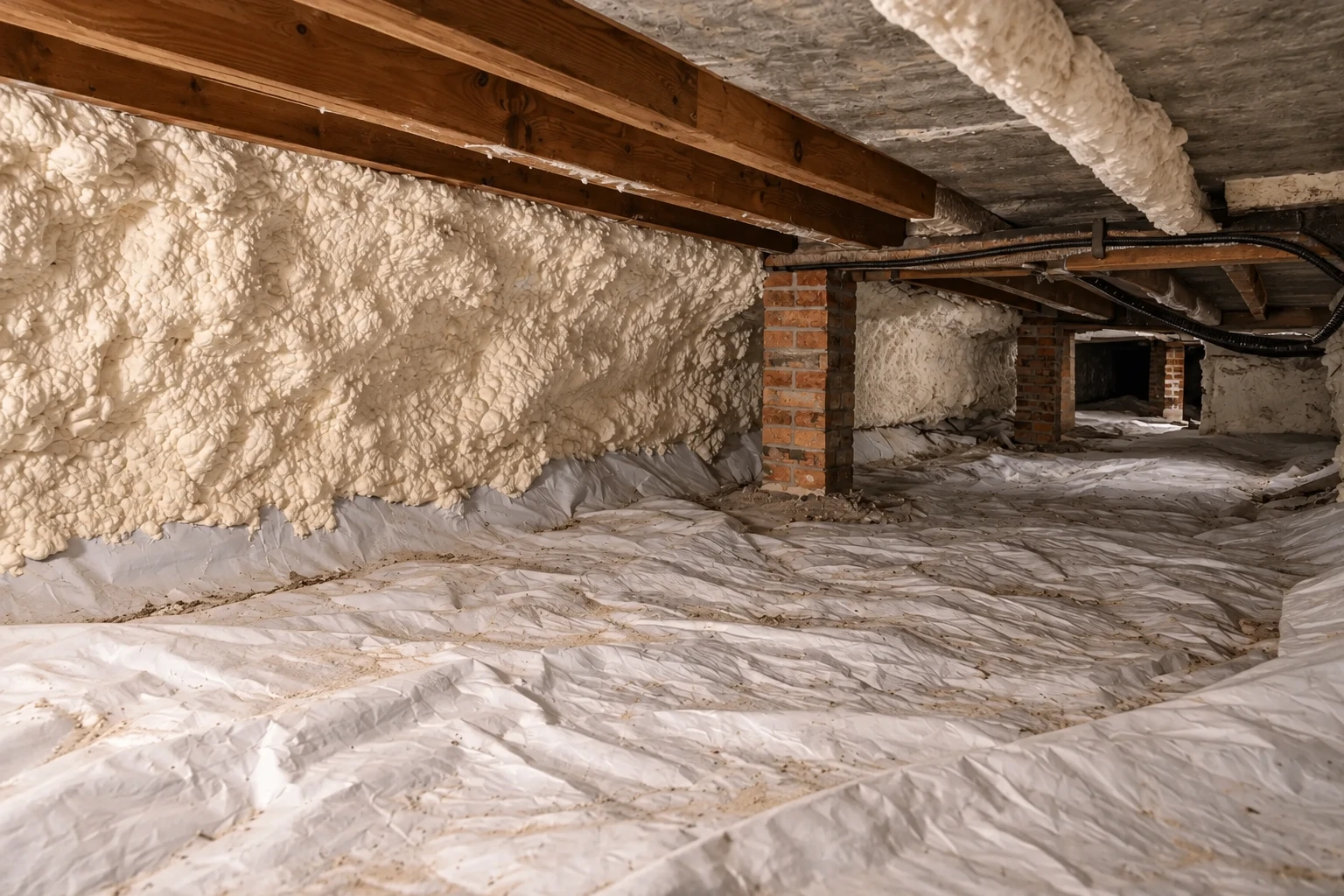
How do you add insulation to a house that's already built?
Retrofit insulation in Apple Valley is insulation added to a house that's already standing, usually by sealing the air leaks in the attic, topping up what's there and filling the walls, so the rooms feel less drafty and more of your heat stays inside.
Most of the calls we get at Apple Valley Insulation Company come from people in older houses with a cold room over the garage, a hot upstairs or a power bill that keeps climbing, and they want to know where to start. The price turns on how much of the house we're doing, how easy the attic is to reach, how much sealing it needs and whether old material has to come out first, and the schedule turns on those same things plus anything that has to be settled before insulation goes near it, like old vermiculite or old wiring. At the estimate I'll tell you what I found and what I'd do first, so you're deciding with your own house in front of you. If the job needs a permit, we check with the city's building inspections office, handle the paperwork and set up the inspections.
- Licensed and insured.
- Free in-person estimates.
- We reply within 1 business day.
What retrofit insulation looks like
How we do retrofit insulation in an older house
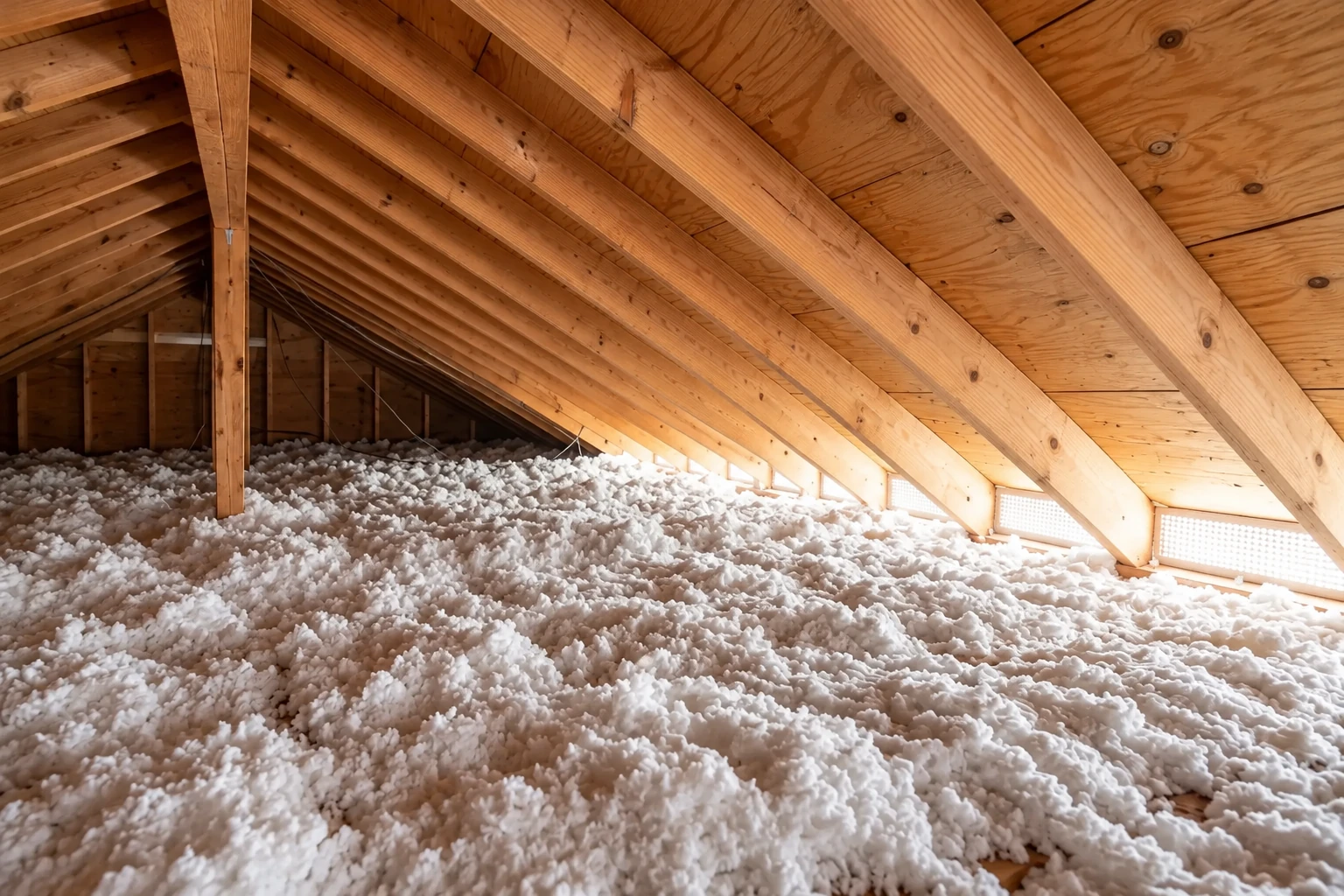
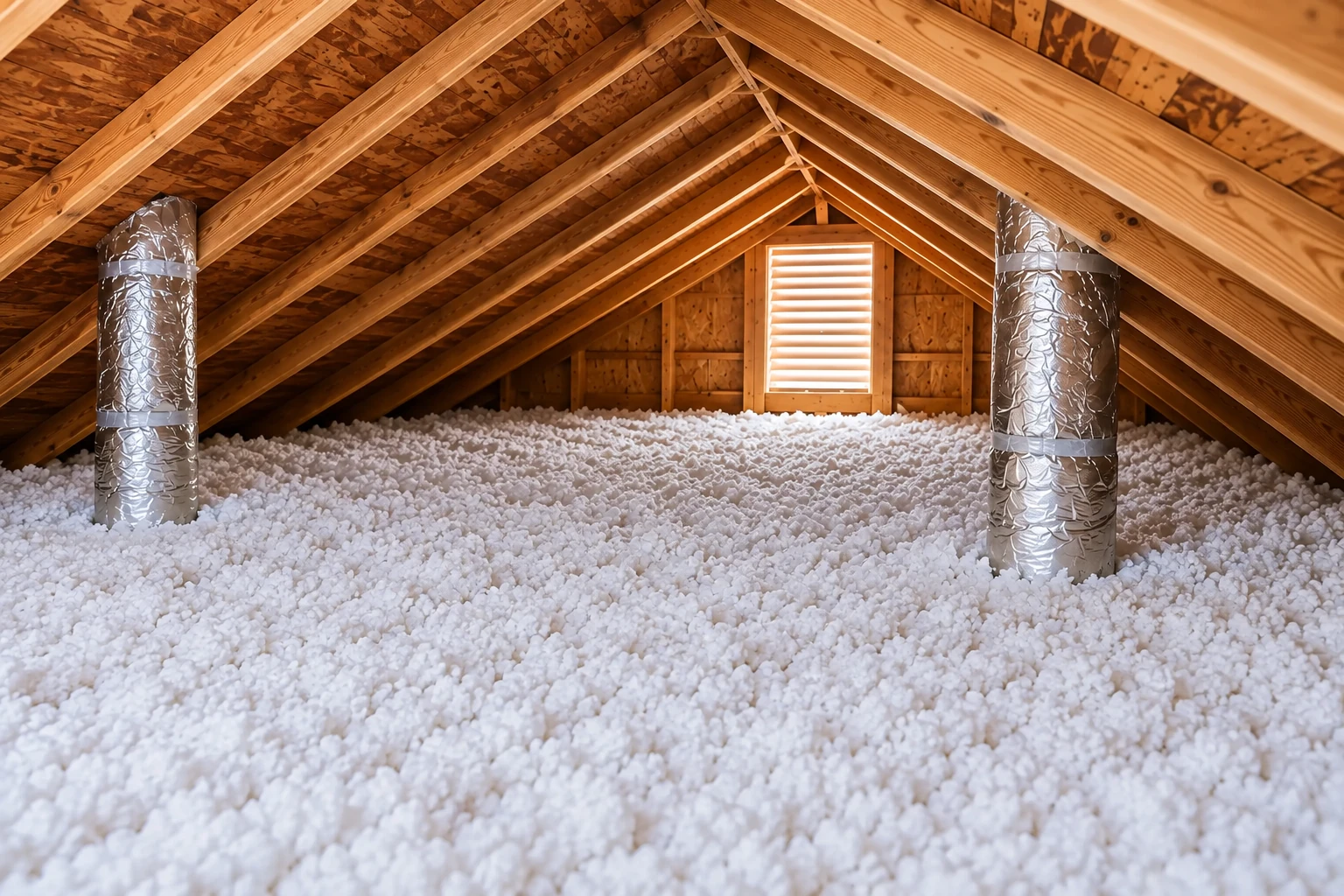
Adding insulation to an older house starts with what's already there, so before we drill or blow anything I ask how old the home is, what kind of wiring it has and whether anyone's seen old pour-in fill up there. Then I go up and look, because fresh material laid over insulation that got soaked or filled with droppings just keeps the problem, and that old layer has to come out first. Our crew seals the gaps around can lights, pipes and the attic hatch so the new insulation isn't fighting a draft, and sets baffles at the eaves to keep the vents from getting buried so the attic can still breathe. Then we blow in loose fill through a hose and keep it even all the way out to the edges, where attics are usually thinnest. If new siding is coming, that's a good time to do the walls from outside, so tell me and we'll plan the two together.
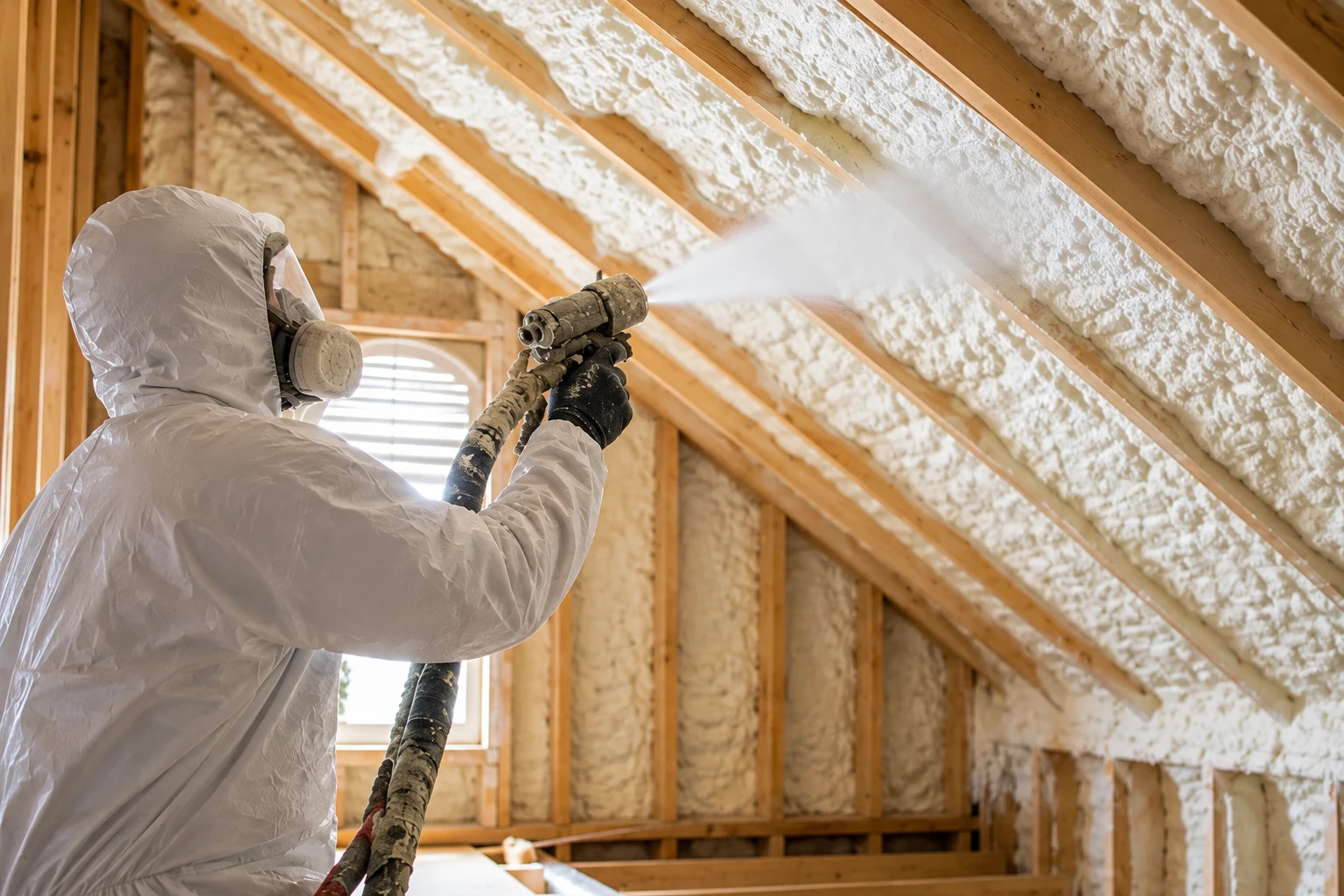
Most retrofit jobs lean on attic insulation, since the attic is usually the easiest place to start in an older house. Spray foam insulation costs more and seals air while it insulates, but for most attics I'd rather seal the gaps and top up the loose fill, because that usually gets you more for the money. The exception is when your ductwork runs through the attic, and then foam often earns its price.
Why Apple Valley homeowners call us for retrofit insulation
I write your estimate myself
I come out to look at the job and write the estimate myself, then our installers do the work and I look it over before we finish. The person who saw your house is the one who checks the job.
Explained before anyone picks material
We've been in business since 2021, and we're known for slowing down and explaining what's going on in an attic, wall or crawl space before anyone chooses a material. I'd rather answer the same question three times than have you agree to work you don't really understand.
Straight talk on story-and-a-half attics
Story-and-a-half houses are prone to ice dams because the ceiling sits so close to the roof that there's often no room for enough insulation. We seal the attic air leaks and insulate where we can, which helps a lot, but I'll tell you up front it may not keep every ice dam away.
Licensed and insured on your job
We're licensed and insured. The work is backed by our satisfaction guarantee, so if something about the finished job doesn't sit right with you, I want to hear about it.
What matters most on a retrofit is finding what's wrong before it gets covered up, so start by calling (651) 268-6025 or sending us a message.
Get a plan for insulating your older house
Send the form and we'll reply within one business day to set a time. I'll come out for a free on-site estimate and show you what I found, with no obligation.
- Licensed and insured.
- Free in-person estimates.
- We reply within 1 business day.
What happens after you call about retrofit insulation?
Call or send a message
Call (651) 268-6025 or use the form, and we'll get back to you to set a time. It helps to tell us your home's age, how you get into the attic and whether you've seen vermiculite or knob and tube wiring.
Walk the house with me
I come out and look over the attic, walls or crawl space with you, then tell you what I found and what I'd do first. You get a written estimate for that work, so you can decide what to tackle now and what can wait.
Our crew does the work
Once you decide, our installers seal the gaps and add the insulation you agreed to. If something turns up once the job is open, like wet material, we talk it over with you before going further.
I check before we finish
I look over the finished work myself before we call the job done. That's the last check that the edges are covered and the eave vents are still clear.
Retrofit insulation questions
How much does attic insulation and air sealing cost in Minnesota?
Attic insulation and air sealing in Minnesota usually runs about $1,000 to $4,500 per project. That's the going range statewide for attic work, not our price, and where your attic lands depends on its size, how easy it is to reach and how much sealing it needs. Wall and basement work gets priced at the estimate once I've seen the house.
Does my attic need to be air sealed before adding insulation?
Yes, under Minnesota's rules attic insulation can't be installed until the accessible attic bypasses are sealed. A bypass is any opening that lets air pass between your heated rooms and the cold attic, so our crew seals those first and then adds the insulation.
How do I insulate existing walls without tearing them out?
The usual way is drill and fill, where small holes go in near the top of each wall cavity and blown-in insulation fills the space behind them. Federal building guidance calls it fairly uninvasive, and the holes can go in from inside or outside, so you can pick the side that suits your house.
What should I do if my attic has vermiculite insulation?
Leave it alone if it's intact, because the Minnesota Department of Health says disturbing vermiculite may release asbestos fibers into the air. For removal, the department strongly recommends a Minnesota-licensed asbestos contractor, so we won't move it or blow new insulation over it, and the plan for your attic waits until that's settled.
Can you add insulation around old knob and tube wiring?
No, the national electrical code doesn't allow insulation applied to or around knob and tube wiring. If your house still has it, mention it when you call so the wiring question gets settled before we plan the insulation.
How do I find out if my house needs more insulation in Minnesota?
If you're a CenterPoint Energy or Xcel Energy customer, you can consider starting with the Home Energy Squad program, since a home audit through your utility can show whether the house needs better insulation or more air sealing. Either way, I'm glad to come look at the attic and walls with you.
Work that goes with retrofit insulation
Spray foam insulation
Worth a look when your ductwork runs through the attic or a space needs its air sealing and insulating done in a single step.
Attic insulation
Most older houses start here, with the attic topped up evenly once the leaks below it are sealed.