
Attic air sealing in Apple Valley MN - gaps closed before the insulation goes in
Hot upstairs, cold floors or a drafty bedroom usually mean warm air is leaking into the attic. We find those gaps and close them.
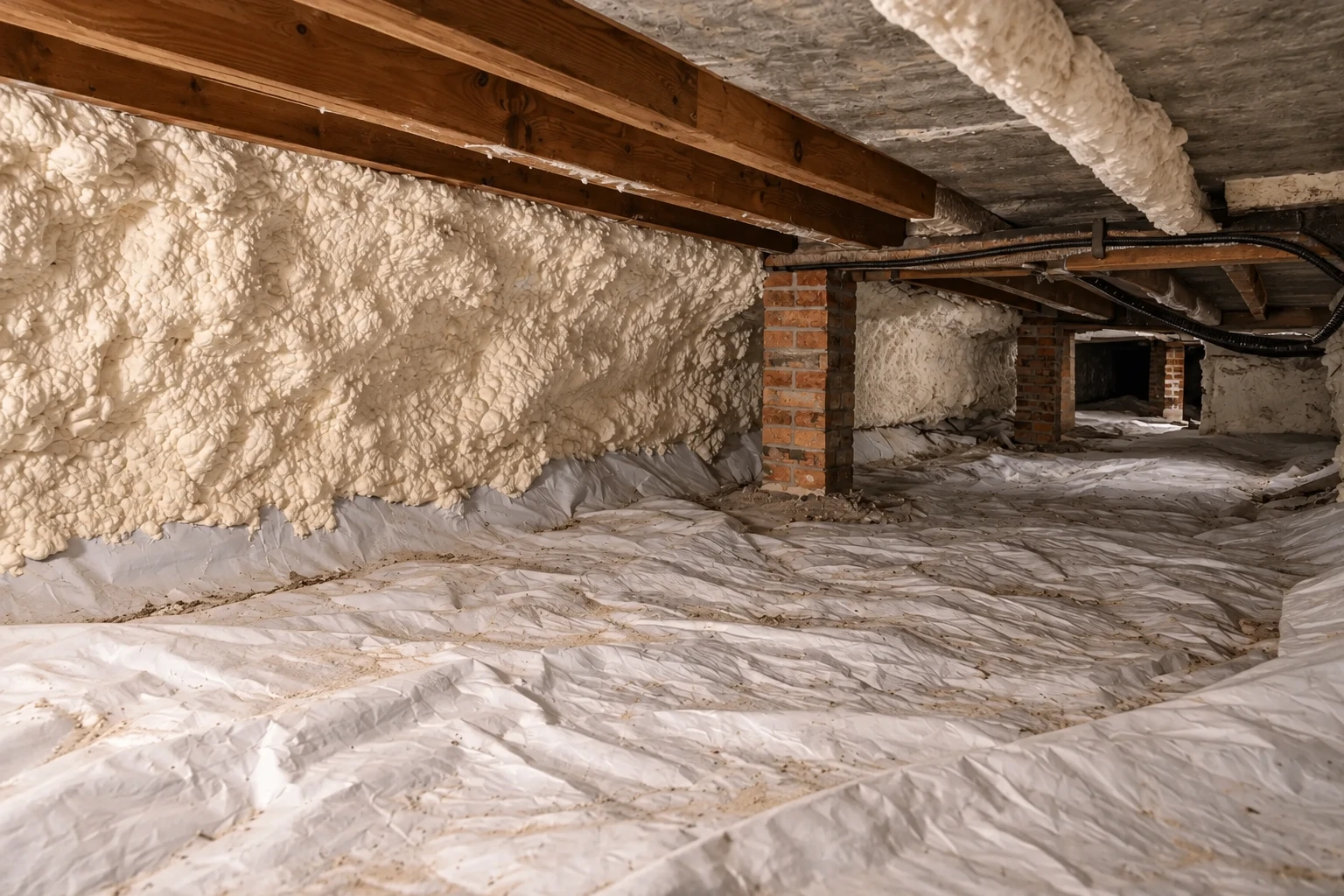
What does attic air sealing actually fix?
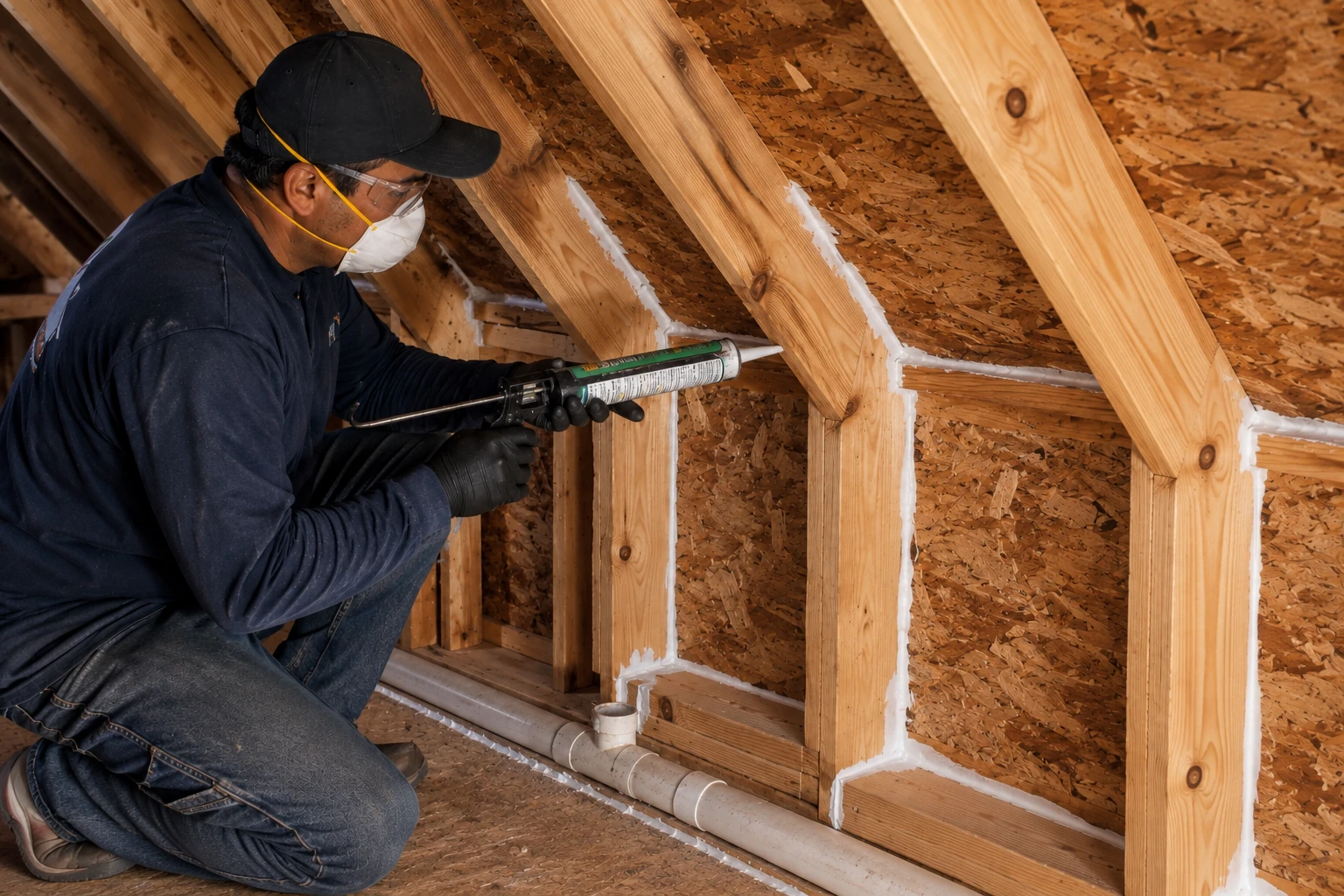
Attic air sealing in Apple Valley means closing the gaps where heated air from your living space slips up into the attic, around chimneys, pipes, wiring holes and recessed lights. Done well, it saves energy, helps lower your heating bill and helps keep moisture problems out of the attic.
Most calls I get for this start with a room that won't stay warm, a cold floor over the garage or an upstairs that runs hot, in a house that already has a few inches of insulation up there. That's usually moving air, not too little insulation, so sealing is the first step of any attic upgrade, including new attic insulation. The price turns on how many gaps your attic has, how much old insulation we have to pull back to reach them and how much work the chimney, flues and can lights need, while the schedule mostly turns on anything that has to be fixed before we can start. When I come out, I'll tell you what I found and what I'd do first, and you'll get a written estimate for your house.
- Licensed and insured.
- Free in-person estimates.
- We reply within 1 business day.
What attic air sealing looks like
How we handle attic air sealing
We start by checking what's already up there, because fresh insulation over a soaked layer or one full of droppings just keeps the problem in place. Then we pull the insulation back and work through the spots where leaks usually hide, one by one: the chimney and flues, plumbing vent pipes, the bath fan, wiring and duct holes, the tops of the walls, the can lights and the attic hatch. Near anything that gets hot, we use blocking and materials made to handle the heat, and we keep the soffit and roof vents clear so the attic can still breathe. When the sealing's done, the insulation goes back down evenly, full depth at the edges as well as the middle, so nothing's left thin where the cold comes in.
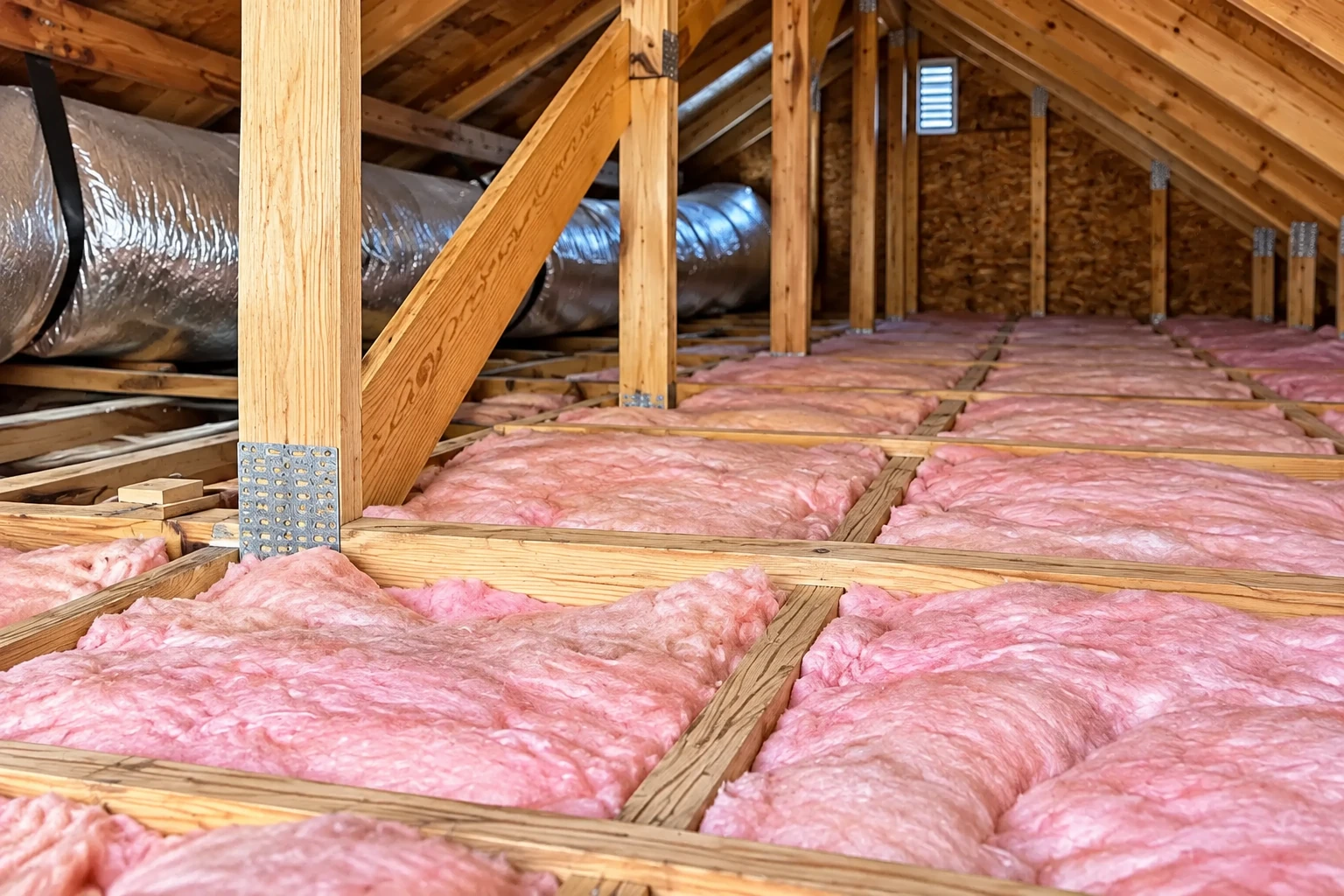
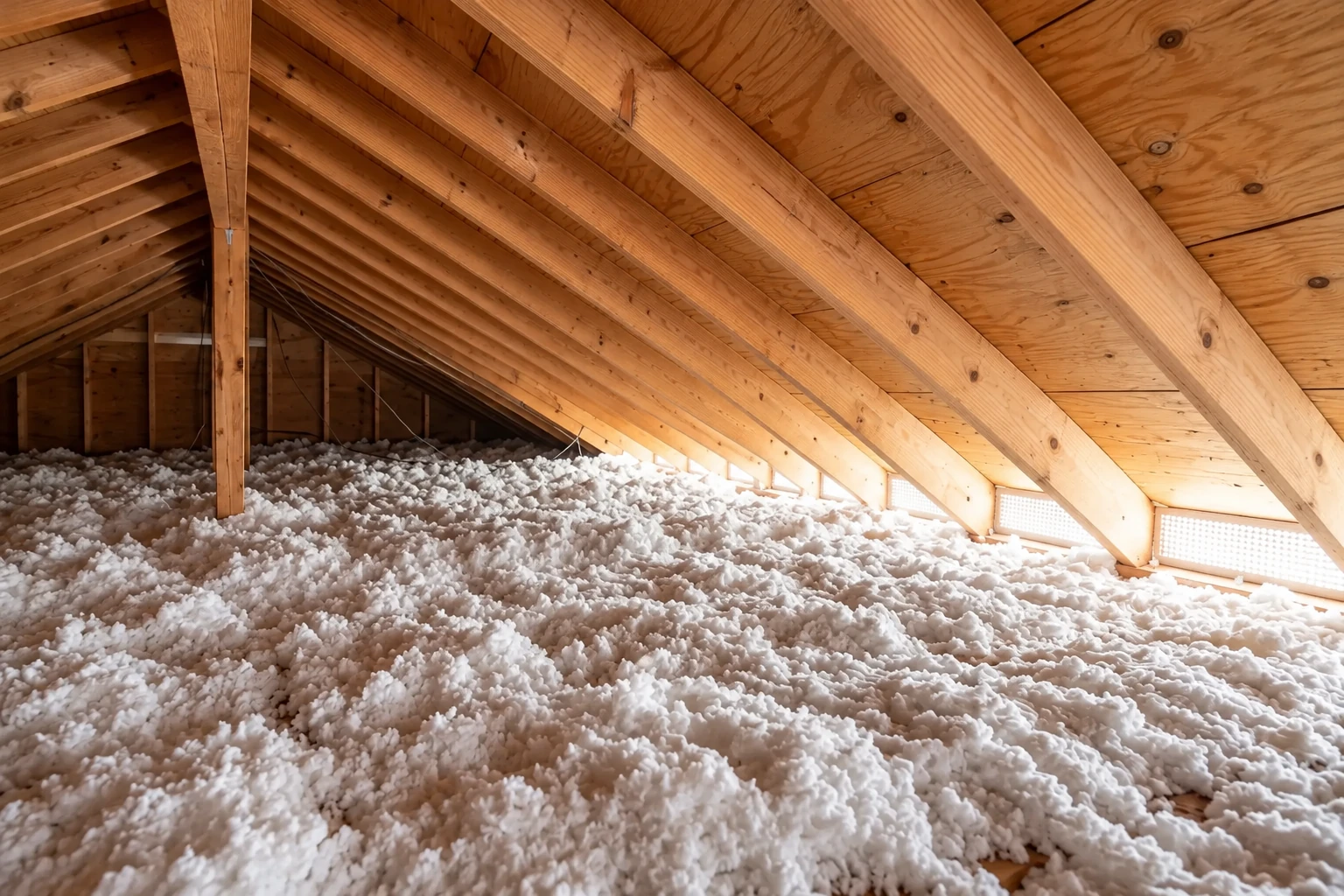
Sealing is usually the first half of the job. Once the gaps are closed, most attics are ready for retrofit insulation, adding to what your house already has, often with blown-in fill, loose insulation blown through a hose. Spray foam insulation seals and insulates in one coat but costs more, so in most attics I'd rather seal the gaps and top up loose fill. The exception is an attic with ductwork running through it, where foam usually earns its price.
Why Apple Valley homeowners call us for attic air sealing
I look at your attic myself
I come out to look at the job and write the estimate myself, and I'll walk you through what's up there before anyone picks a material. If something's wrong in that attic, you'll hear it from me before we cover anything, because new insulation over a leak or a wet spot just hides it.
In business since 2021
We've been in business since 2021, and I learned this trade young on a crew blowing attics and sealing basements, then came back to it after years of other work because I kept seeing the same drafty, cold rooms. That's why I'd rather answer your question three times than have you agree to work you don't understand.
Licensed and insured for your attic
Minnesota requires a license from residential contractors and remodelers who take on a home improvement job calling for more than one skill. We're licensed and insured, so you can ask us for proof before anyone climbs into your attic.
On this job, what matters most is that every leak gets found before anything gets covered. Call (651) 268-6025 or send us a message, and I'll come out and take a look with you.
Find out where your attic is leaking
Send the form and we'll reply within one business day to set up a visit. I'll come out for a free on-site estimate and show you what I find, with no obligation to go ahead.
- Licensed and insured.
- Free in-person estimates.
- We reply within 1 business day.
What happens after you call about your attic?
Call or send us a message
We get back to you and set up a time for me to come out. It helps to mention any roof leaks, gas or oil appliances, bath fans that vent into the attic, or old wiring or insulation you know is up there.
Walk the attic with me
I look over the attic with you, tell you what I found and what I'd do first, and write up the estimate. You see the price on paper before you decide anything.
Our crew seals the gaps
Once you decide, our installers come out and do the work we agreed on. If they find something we didn't expect once the insulation is pulled back, they stop and we talk it over with you.
I check it before we finish
I look the work over before we call the job finished and walk you through what we sealed. If anything I say doesn't make sense, ask me again.
Attic air sealing questions we hear most
Do I need to seal my attic before adding insulation?
Yes, in Minnesota attic insulation can go in only after the gaps into the attic that can be reached have been sealed. Federal energy guidance gives the same order, so if you're adding insulation, plan the sealing as step one, or the new insulation ends up fighting a draft.
How much does attic air sealing cost?
Across the US, air sealing with caulk, spray foam and weatherstripping usually costs about $500 to $1,500 per job. That's a national range for general air sealing, not our price, and the estimate I write after looking at your attic gives you the figure for your house.
How do I know if my attic is ready for air sealing?
Your attic is ready when there's no live knob and tube wiring, the old cloth-covered wire strung on porcelain knobs, no vermiculite, the pebbly gray-brown loose fill, and no bath fans venting into the attic. A federal energy guide says to hold off until those are dealt with, along with a leaking roof or an unvented kerosene heater or gas fireplace. I'll point out anything like that at the estimate so you can line up the fix first.
How do I air seal an attic if I have a gas furnace or water heater?
Start with carbon monoxide detectors, and if the furnace or water heater is a natural draft gas or oil unit, one that vents by rising hot air instead of a fan, plan for an outside air supply to it. A federal energy guide calls for both in houses with fuel-burning appliances, and adding that air supply is work for a qualified mechanical or plumbing contractor. We'll go over what we see at the estimate so that work can happen before the sealing.
Can attic air sealing reduce radon in my house?
It can cut down how much radon gets pulled into the house. Sealing the holes in the attic ceiling weakens the stack effect, the suction warm air creates as it rises out the top of a house, so less radon and other soil gas gets drawn up from the ground.
Do I need a permit for attic air sealing in Apple Valley?
Ask the city's Building Inspections Division, because its permit list names building, mechanical, plumbing and other work but doesn't list attic air sealing by name. The division issues permits, which are applied for online through the city's ePermits system, and it inspects work against the state building code and city ordinance. We're based in Apple Valley and work in Minneapolis, Saint Paul and many of the cities around them, and if your city asks for a permit on the job, we check with its building office, handle the paperwork and set up the inspections.
Work that goes with attic air sealing
Retrofit insulation
Once the attic is tight, adding insulation to the house you already have is usually the next thing worth doing.
Spray foam insulation
If ductwork runs through your attic or a space needs sealing and insulating in one layer, foam is the material to talk through.