
Blown-in insulation in Apple Valley MN - even coverage that won't settle
Hot upstairs, cold floors or a power bill that keeps climbing? We seal the gaps, then blow an even layer across your whole attic.
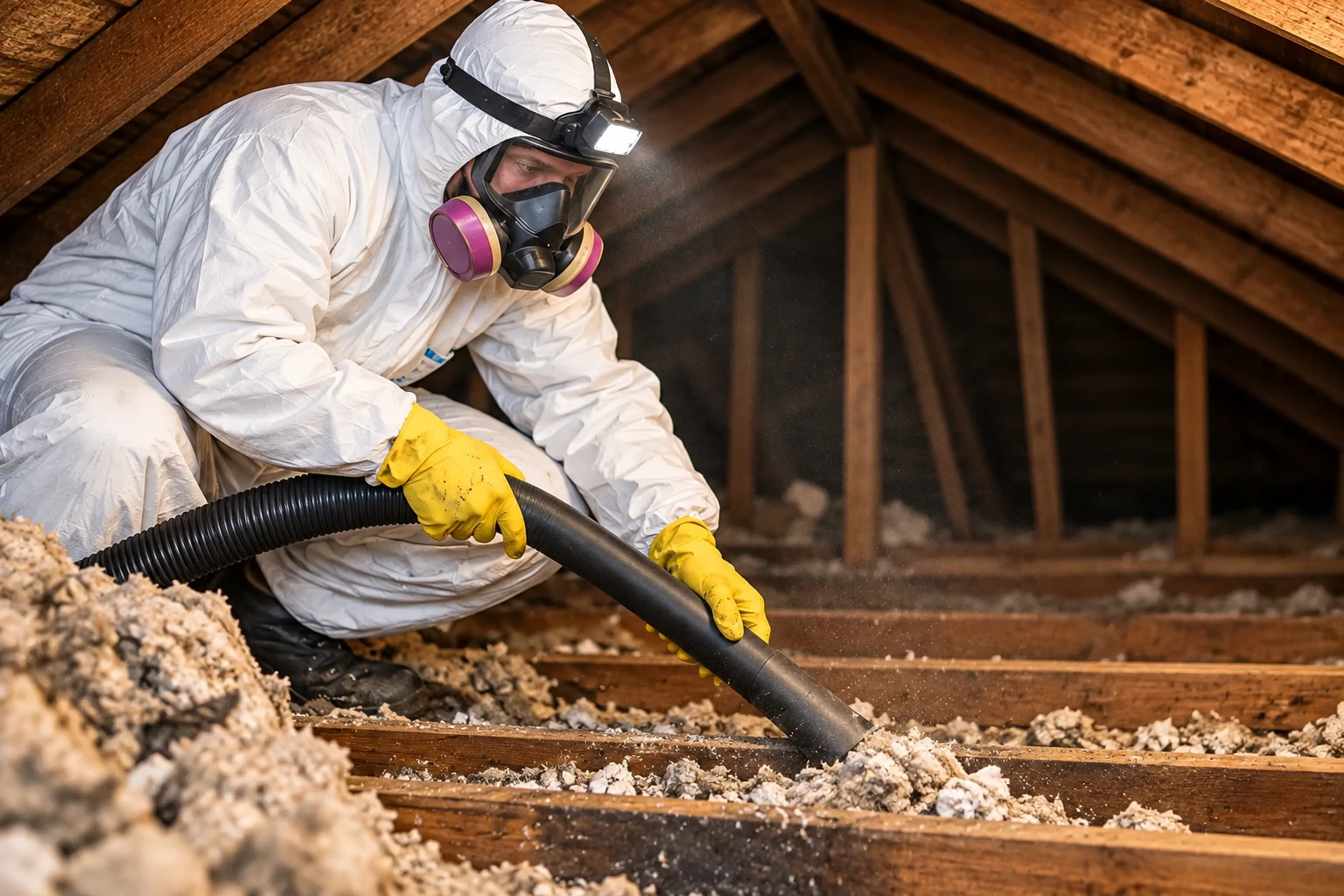
Is blown-in insulation the fix for a hot, drafty upstairs?
Blown-in insulation is loose fiberglass, rock wool or cellulose that we blow through a hose over your attic floor or into the closed cavities of existing walls, and for a lot of Apple Valley houses it's the simplest way to slow the heat leaving through the ceiling.
Most calls start with an upstairs that's hot in summer and cold in winter, or a power bill that keeps creeping up, often in an older house where nobody's looked in the attic for years. The price moves with the size of the ceiling, how many inches are already up there, how many gaps need sealing and whether old material has to come out first. That last part mostly sets the schedule too, along with how easy the attic is to get into and whether your city wants a permit. Your own number comes from the estimate, after I've been up there and seen it.
- Licensed and insured.
- Free in-person estimates.
- We reply within 1 business day.
Blown-in insulation in attics like yours
How we do blown-in insulation, start to finish
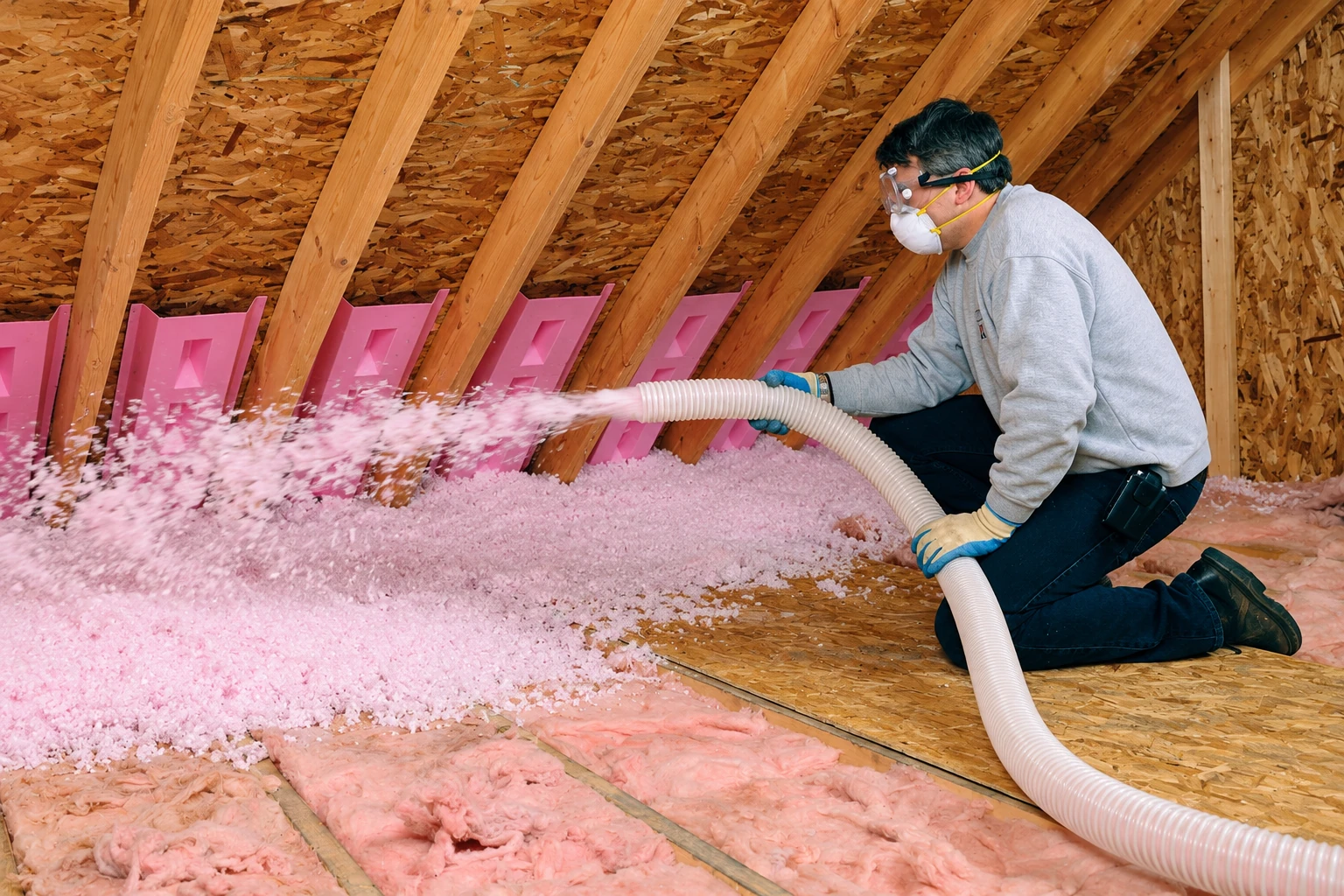
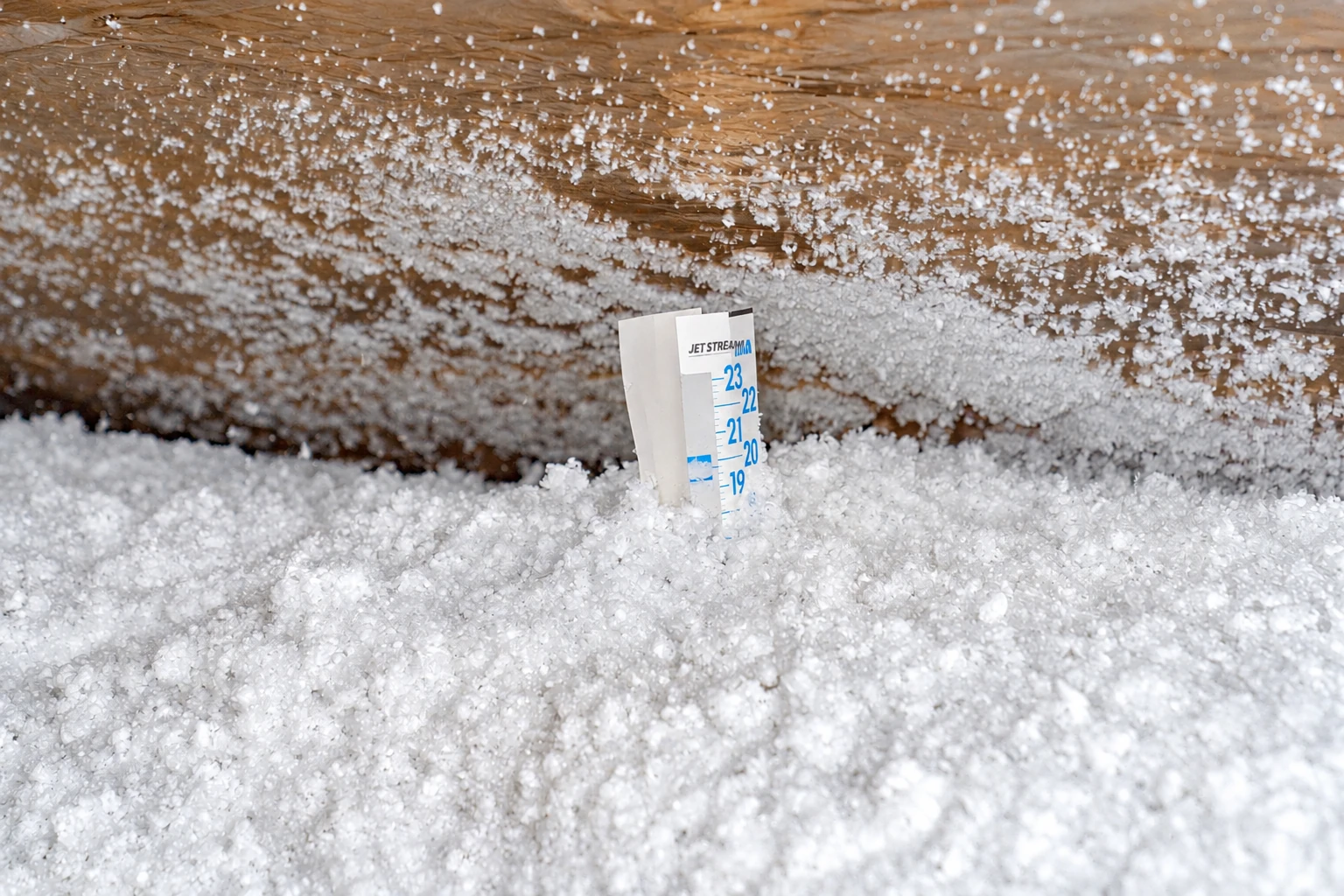
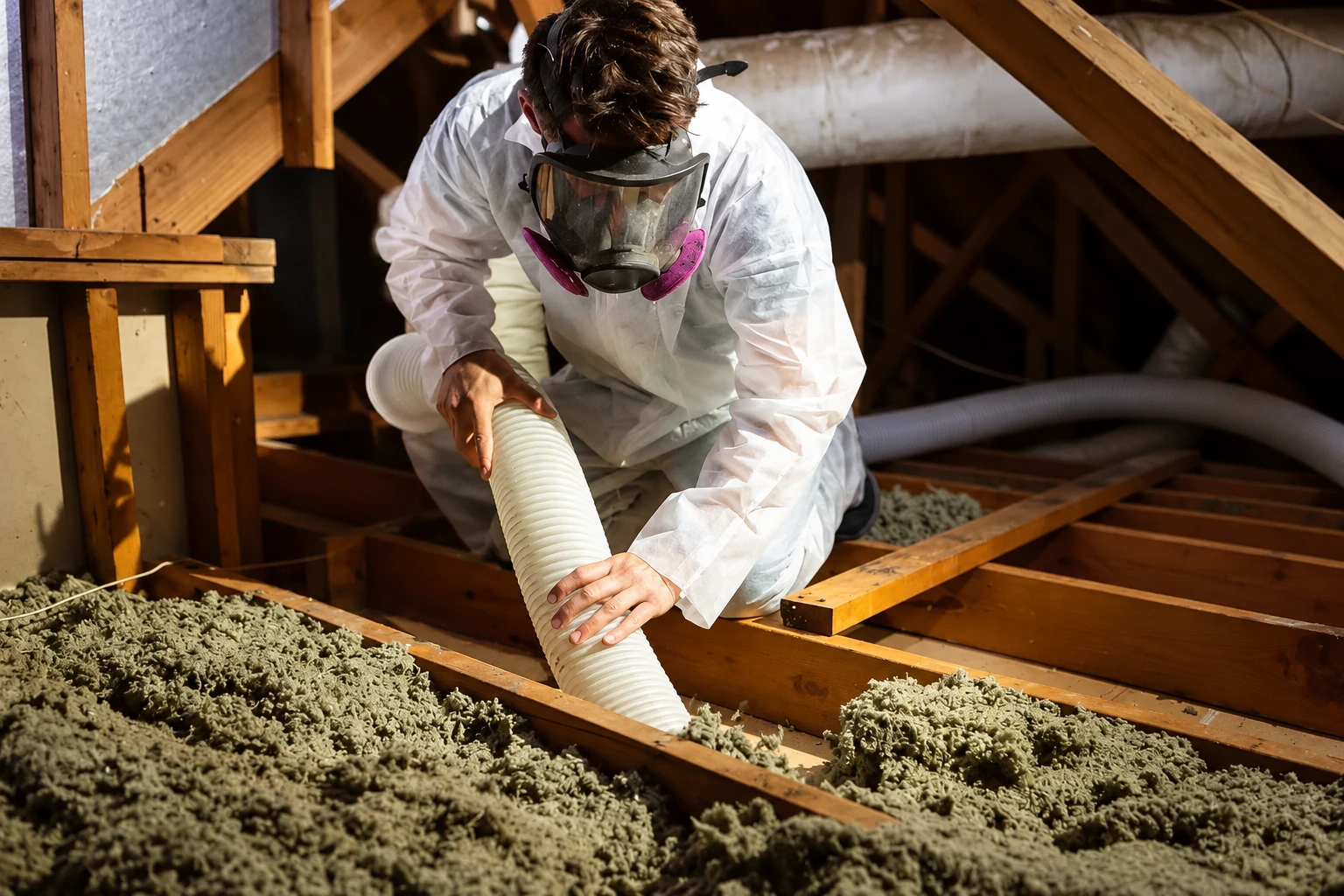
We start by measuring how many inches are already up there and checking the old material, since anything soaked or full of droppings has to come out before we add to it. Next comes air sealing, which means closing the gaps around can lights, pipes, wires and the attic hatch so warm air stops leaking up from your rooms, and we keep the eave vents open so the attic can still breathe. We keep the insulation clear of flues, chimneys and exhaust fans, then blow the whole ceiling evenly, as deep at the edges as in the middle. Blown-in only works if it's packed so it won't settle, so we check the depth in several spots as we go and clean up the hatch and the path through your house before we leave.
When the old material is too far gone to cover, our insulation removal work clears the attic out first so the new layer starts on clean wood. And if the attic turns out to be only one source of the drafts, our home insulation service looks at the walls, basement and crawl space too, so you can fix the rooms that bother you most first.
Why Apple Valley homeowners call us for blown-in insulation
I write every estimate myself
I come out, go up in the attic with you and write the estimate, and our installers do the work after that. I look the job over before we finish, so the person who told you what you'd get is the one who checks it.
Problems found before we cover them
We've been in business since 2021, five years now. In that time I've held to one rule, that wet spots, leaks and droppings get found before anything is blown in, because fresh insulation over a problem just hides it.
Licensed and insured, with a guarantee
We're licensed and insured, which is the first thing worth checking with anyone you let into your attic. Our work is backed by our satisfaction guarantee.
Permits checked with your city
Apple Valley's Building Inspections Division issues permits, and its list doesn't name insulation work, so we ask that office about your job instead of guessing. If it wants a permit, we handle the paperwork and set up the inspections.
What matters most on a blown-in job is an even layer over a sealed ceiling, so if that's what your attic needs, request an estimate or call (651) 268-6025.
Get a free on-site look at your attic insulation
Send the form and we'll get back to you within one business day to set a time. I'll come out, look over your attic with you and give you a free estimate, with no obligation.
- Licensed and insured.
- Free in-person estimates.
- We reply within 1 business day.
What happens after you call about blown-in insulation
Call or send a message
Call (651) 268-6025 or use the form on the website, and we'll find a time for me to come out. It helps if you know roughly when the house was built, whether it's a story-and-a-half and whether you've had ice dams.
Walk the attic with me
I go up with you, see how many inches are there now, look for wet spots, droppings and open gaps, and tell you what I found and what I'd do first. You get the price in writing before anything is booked, so you can think it over on your own time.
Our crew does the work
Once you decide, our installers come out and do the job the way we laid it out. We'll tell you ahead of time which rooms they'll pass through, so you can clear the space under the attic hatch.
I check it before we finish
I look the attic over myself before we call the job finished. If you want to climb up and see it, I'll show you what was done and why.
Blown-in insulation questions from Apple Valley
Do I have to air seal before adding attic insulation in Minnesota?
Yes. Minnesota's residential energy code requires sealing the attic bypasses you can reach, the openings where air passes from your rooms into the attic, before attic insulation goes in. So that sealing is part of every attic job we price, and you'll see it on the estimate.
What does blown-in insulation cost in Apple Valley?
Blown-in insulation in the Minneapolis area usually costs about $2 to $8.50 per square foot. Where your attic lands depends on how much work it needs, such as sealing, old material coming out or a tight space, and blowing loose fill is usually cheaper than laying batts while covering better. Your own figure comes from the estimate.
How do I know how much insulation my attic needs in Minnesota?
Compare what's up there now with R-49, the level Minnesota's energy code lists for ceilings. R-value is how well insulation slows heat, and the exact amount your attic needs is something I'd judge after measuring the inches you already have.
Will more attic insulation stop ice dams in Apple Valley?
Sealing and insulating the attic is the best way to prevent ice dams, but in a story-and-a-half house it may not stop them completely. The ceiling in those houses sits so close to the roof that there's often too little room for enough insulation, though insulating where we can and sealing still helps a lot. If you're a CenterPoint Energy or Xcel Energy customer and not ready to hire anyone, the Home Energy Squad program is a good first look at whether your house needs more insulation or sealing.
What is the best way to insulate existing walls without tearing them open?
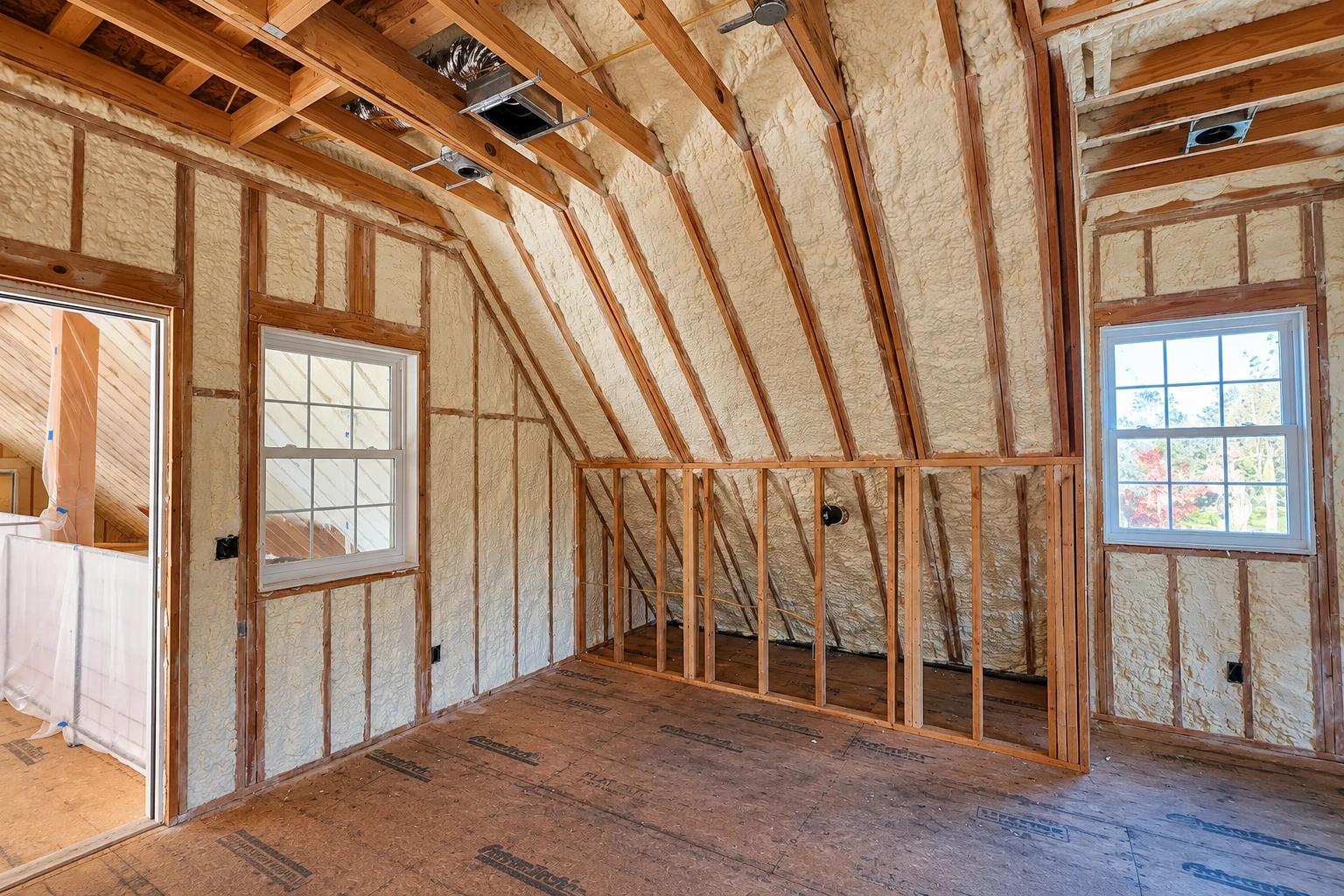
Usually it's drill and fill, where small holes go in near the top of each wall cavity, from inside or outside, and each cavity is filled with blown-in insulation. If you're planning new siding, that's an ideal time to do it from the outside. In houses built before 1980, a federal guide flags lead safety rules, and the National Electrical Code doesn't allow insulation around knob and tube wiring, so both get checked before any holes go in.
What should a blown-in attic insulation quote include?
It should cover the whole ceiling at an even depth and include baffles, short guards at the eaves that keep ventilation open and the insulation out of them. Ask each installer how they get the material dense enough to resist settling, because loose fill that settles leaves holes and voids.
Work that often goes with blown-in insulation
Home insulation
When cold floors and drafty rooms come from more than the attic, a look at the whole house shows you where to start.
Insulation removal
Old insulation that's wet, matted or full of droppings comes out first, so the new layer isn't hiding a problem.