
Basement insulation in Apple Valley MN - a warmer basement with no trapped damp
Cold floors and a chilly, damp-feeling basement usually start where the house sits on the foundation. We check for damp, then seal and insulate.
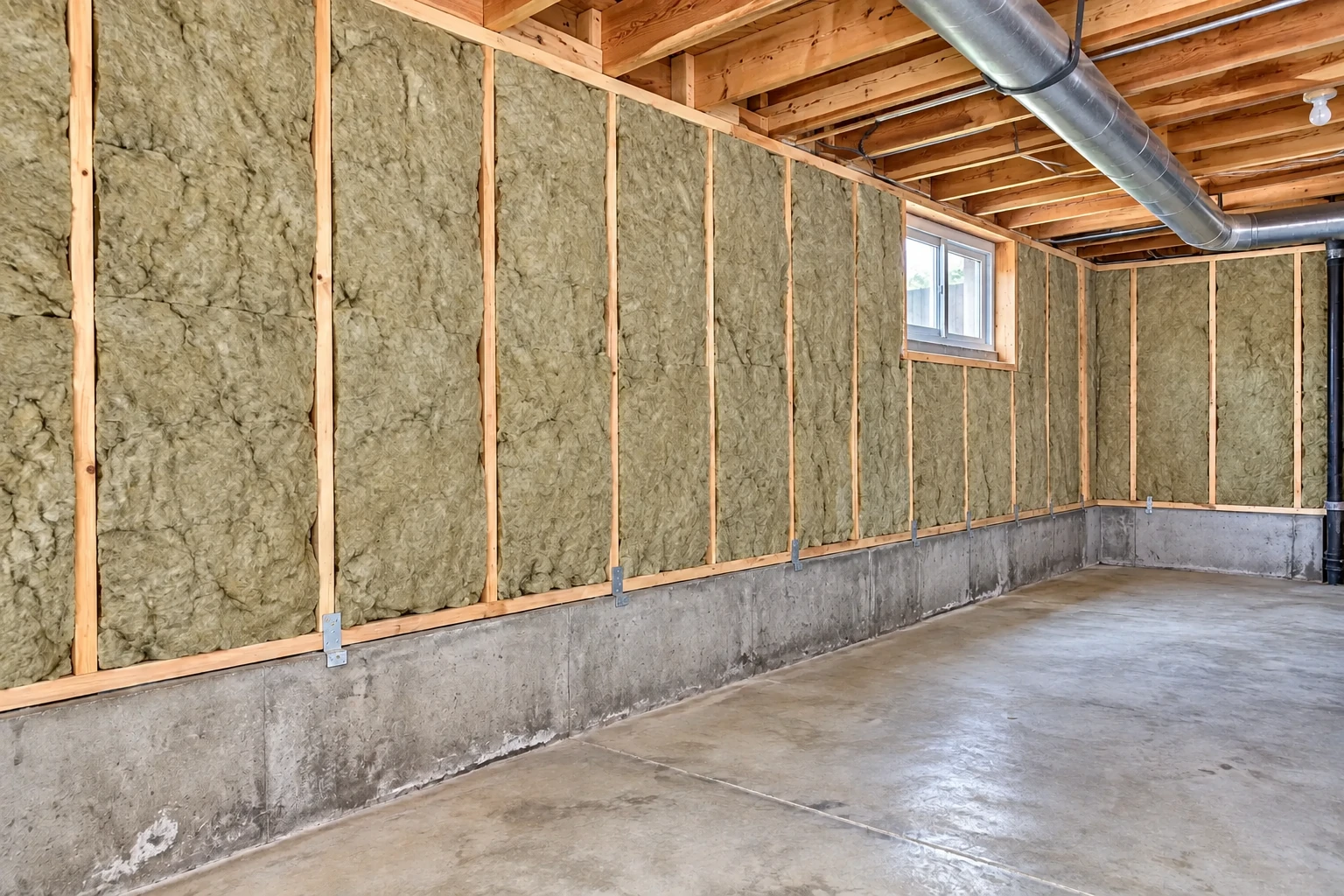
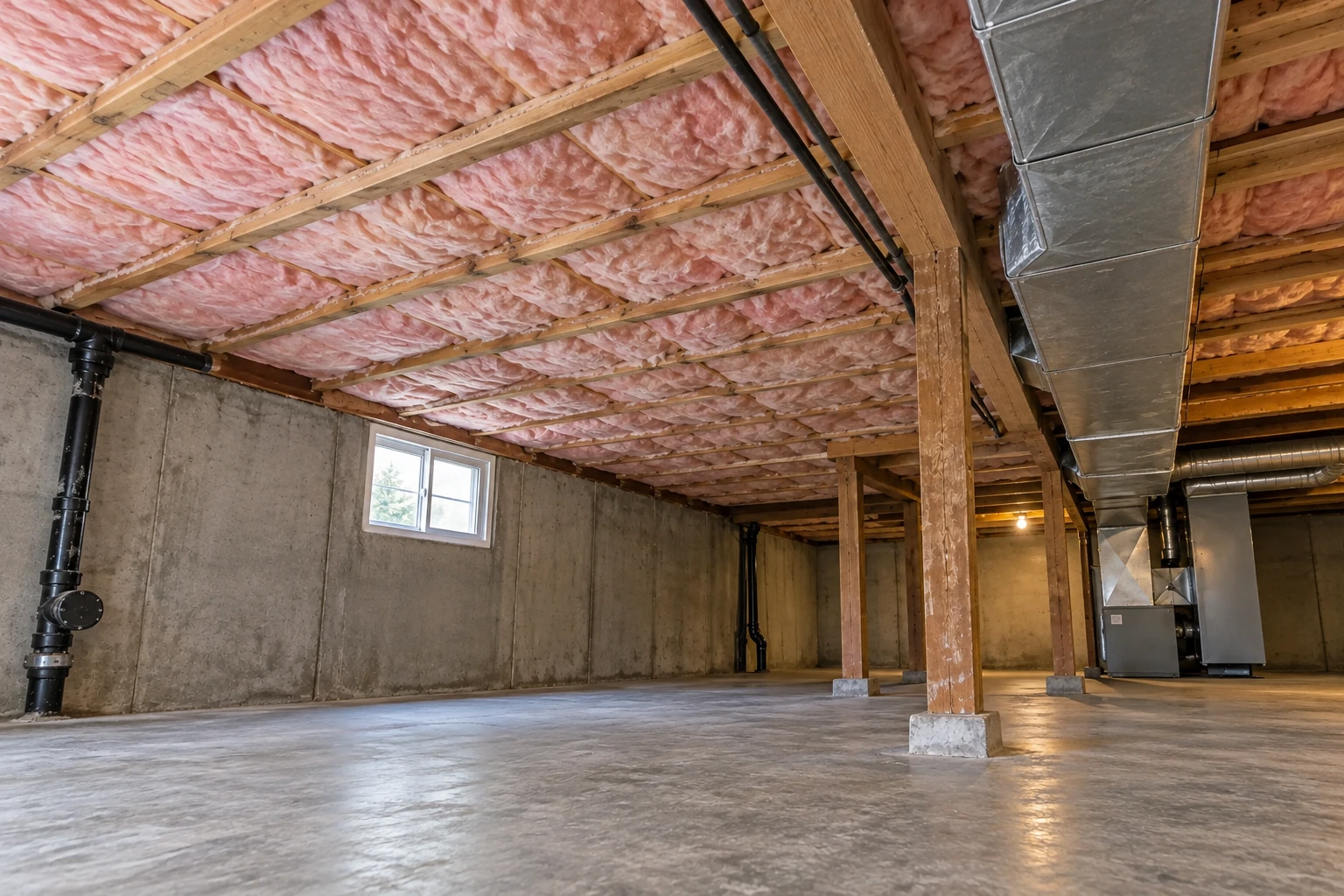
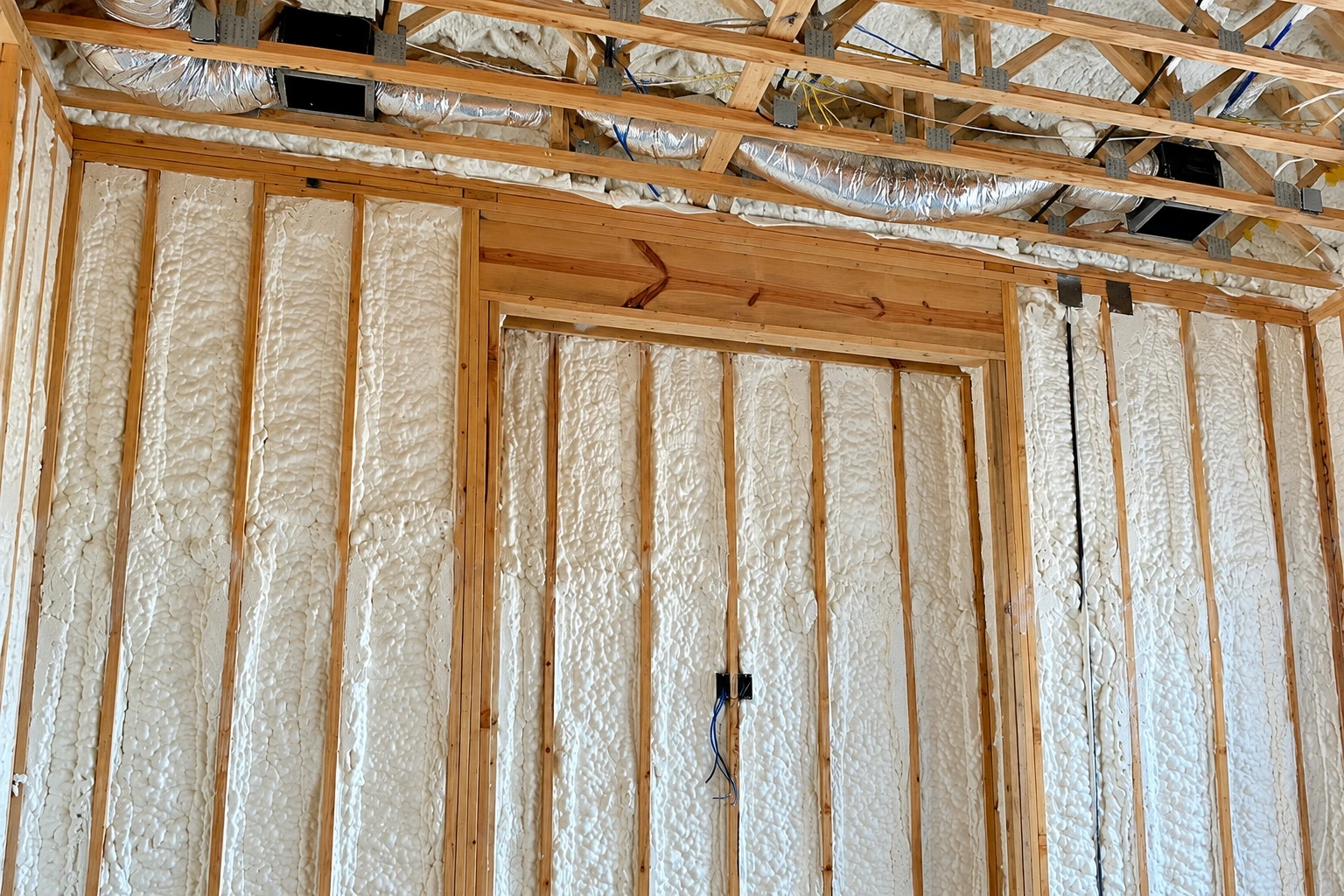
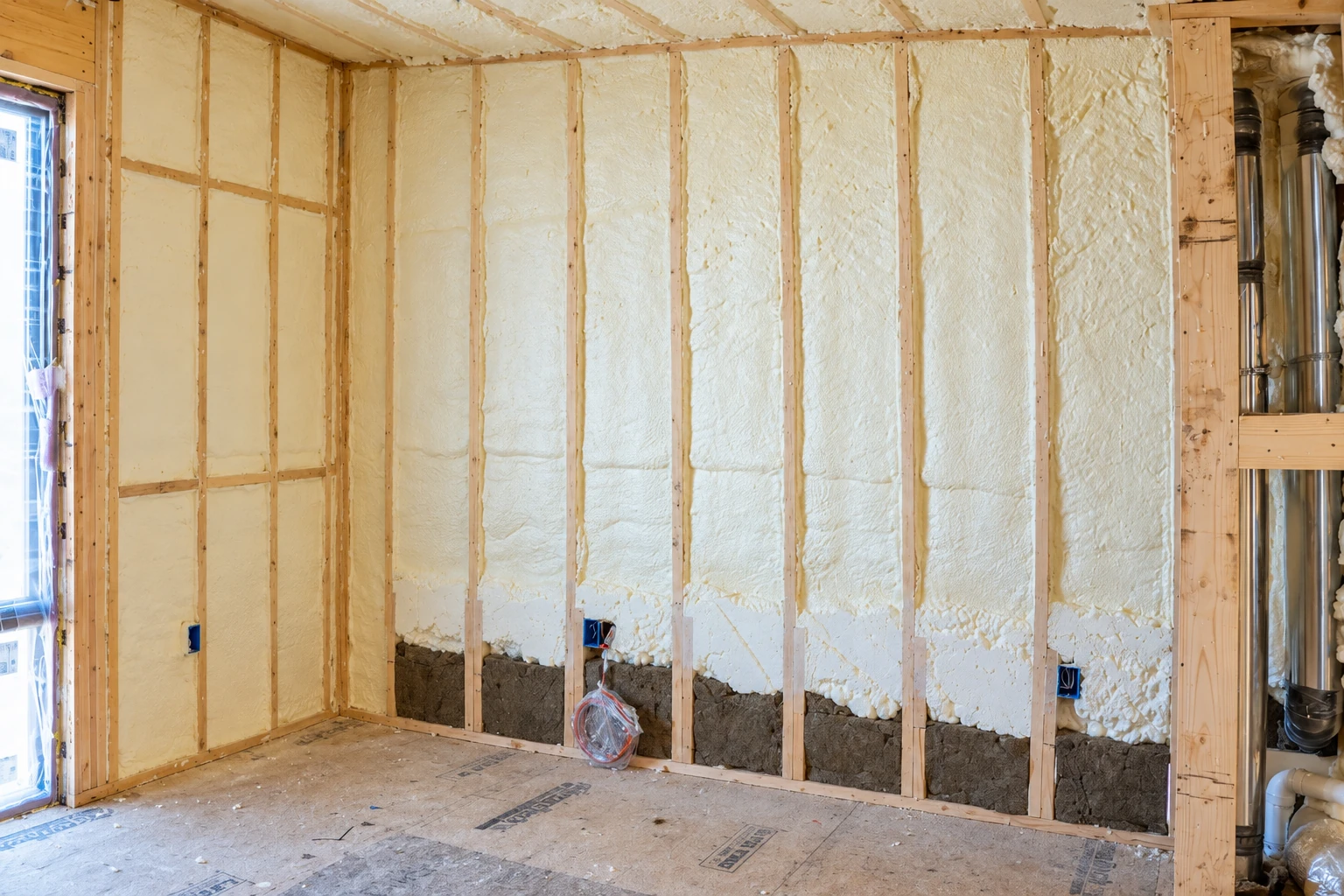
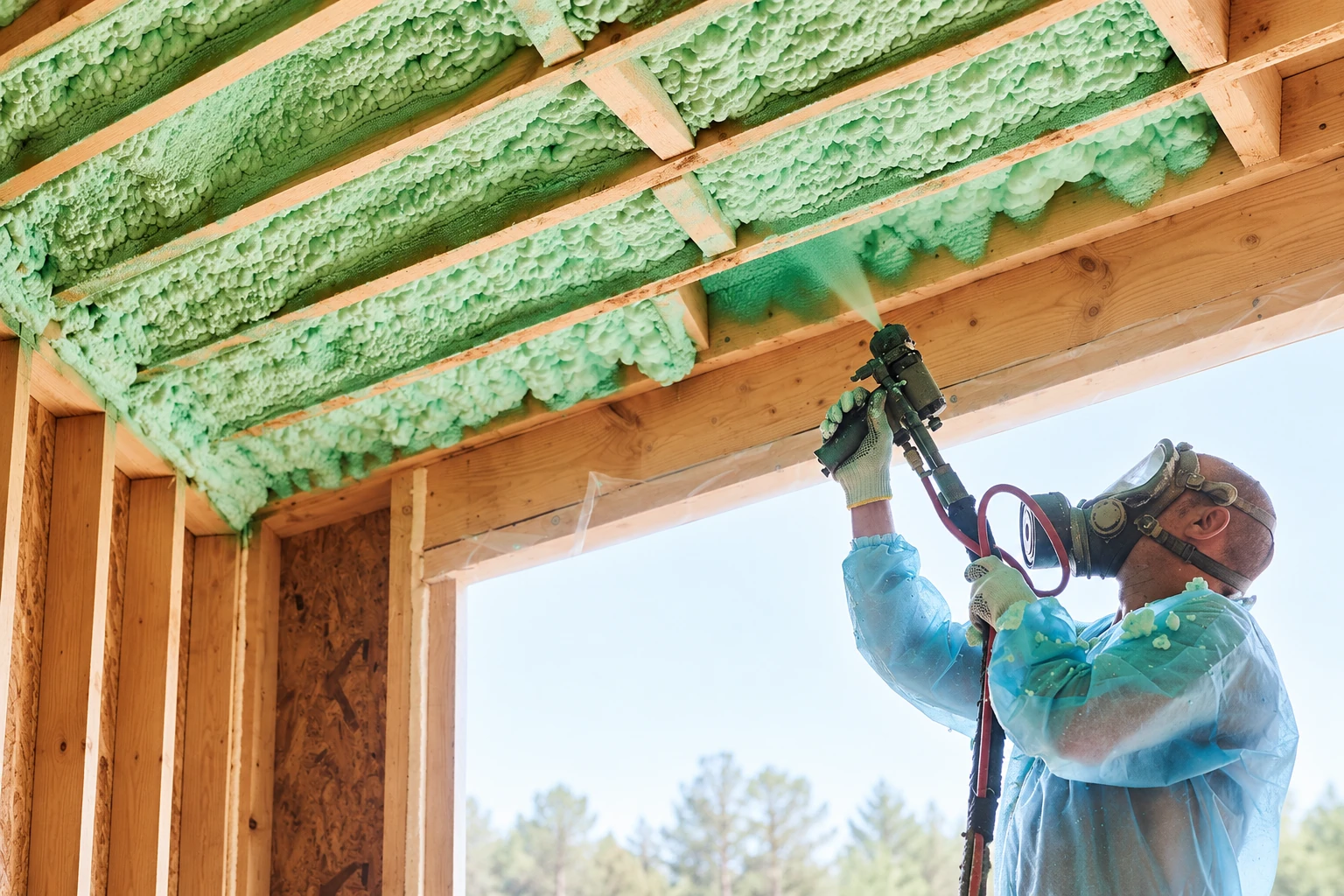
What does it take to insulate a basement in Apple Valley?
Basement insulation in Apple Valley covers the foundation walls and the rim joist, the wooden band where your house's frame sits on the concrete, so the basement holds heat better and the walls are less likely to grow mold or mildew.
Most calls start with a cold floor in the room above, a basement that never warms up or a musty smell along the walls, and in an older house the basement is often the one part nobody's touched. The price mostly comes down to how much of the basement we cover, whether that's just the rim joist or the full walls, whether the walls get insulated inside or out, which foam suits them and how much old material has to come out first. The schedule turns on how damp the walls are, since any water problem gets dealt with before anything covers it, and on whether you're finishing the space and need inspections along the way. When I come out, I'll tell you what I found and what I'd do first, so you're deciding from your own basement and not a guess.
- Licensed and insured.
- Free in-person estimates.
- We reply within 1 business day.
What basement insulation looks like
How we handle basement insulation
We start by walking the basement and looking for any sign of water, because new insulation over a leak or a wet spot just hides the problem. Then we usually begin at the rim joist, which is the simplest and least expensive part of a basement to insulate and pays back the most, so even a smaller budget goes a long way there. Before I'd suggest foam on the inside of the foundation walls, we look at how wet those walls get, since that decides whether foam belongs there at all. If your furnace or water heater sits in the basement, we test that it still vents properly once everything's sealed, because a tighter basement can change how they draw air.
For the rim joist and for walls that stay dry, we often use closed-cell foam insulation, a dense foam that seals air and blocks moisture in the same coat. It costs more than other options, and I think it earns that in a basement, where moisture is what's most likely to cause trouble later. Open-cell foam insulation is lighter and less expensive, but it lets moisture pass, so I'd usually keep it off bare basement concrete and talk it through for other parts of the house.
Why Apple Valley homeowners call us about their basements
The owner writes your estimate
I come out to look at your basement and write the estimate myself, and our installers do the work from there. That way the person explaining the plan is the same one who checks it at the end.
Running our own business since 2021
I learned this work on an insulation crew years ago, came back to it, and we've been running Apple Valley Insulation Company since 2021. Most of our calls come from homeowners in older houses who want a straight answer about what's going on downstairs.
Licensed and insured for your job
We're licensed and insured. Minnesota requires a license from residential contractors and remodelers who contract with a homeowner and bring more than one special skill to the job, so it's fair to ask any crew you're comparing whether that applies to them.
Foam planned for Apple Valley's finish rules
Apple Valley's basement finish rules say rigid foam has to be covered on the room side by drywall or another approved thermal barrier. If you're finishing the space, we plan the foam with that cover in mind so the walls are ready for the next step.
In a basement, what matters most is knowing where the water stands before anything gets covered, and I'd rather answer your questions three times than have you agree to work you don't follow. When you're ready, send us a message or call (651) 268-6025.
Get a free estimate for your basement insulation
Send the form or call, and we'll reply within one business day to set up a free on-site estimate, with no obligation. Mention any past water in the basement and where your furnace and water heater sit.
- Licensed and insured.
- Free in-person estimates.
- We reply within 1 business day.
What happens after you call about your basement?
Call or send us a message
Call (651) 268-6025 or use the form, and we'll get back to you to find a time that works. Tell us a little about the basement and what's bothering you upstairs.
Walk your basement with me
I come out, look over the foundation walls, the rim joist and anything that's been wet with you, and tell you what I found and what I'd do first. You get a written estimate built on your basement, so the price isn't a guess.
Our crew does the work
Once you decide, our installers do the job we agreed on. If you're finishing the basement, Apple Valley lists an insulation inspection, and the inspector may let it happen alongside the framing inspection, which can save a separate visit.
I check it before we're done
I look the work over myself before we call the job finished. Then we walk you through what was done and what to keep an eye on along the walls.
Basement insulation questions from Apple Valley
What is the best way to insulate basement walls in Minnesota?
Insulating the foundation walls from the outside is the best way to hold heat and protect against moisture, though in an existing home it usually costs more. Most owners weigh that cost against the better protection from mold and mildew, and the older method of fastening wood studs to the concrete and filling them with fiberglass is no longer recommended. I'll tell you which way I'd go once I've seen your walls.
Can I put foam board on the inside of my basement walls?
Sometimes, if the walls carry a very low risk of moisture. Minnesota's guidance strongly suggests having a professional contractor look at the walls and install the rigid foam panels, so the moisture check comes before any foam goes up.
How much does it cost to insulate a basement in Apple Valley?
The cost depends mostly on how much of the basement gets covered and which way it's insulated, so the honest number comes from seeing your basement. Insulating the walls generally works better than insulating the floor above, but it often costs more because it takes more insulation and labor, which is why some owners of existing homes go with the floor instead. If your basement could go either way, I'll walk you through both.
Do I need a permit to insulate my basement in Apple Valley?
It depends on the job, so check with Apple Valley Building Inspections before work starts. The city issues permits for building, mechanical and plumbing work, and its list doesn't name basement insulation on its own, while a basement finish brings its own inspections. If the city asks for a permit, we check with the building office, handle the paperwork and set up the inspections.
How do I know my furnace is still safe after the basement is sealed?
A combustion safety test tells you, and a federal checklist for this work calls for one whenever a furnace, water heater or other natural draft equipment sits in the basement. It checks that exhaust isn't drafting backward or spilling into the house once the basement is tighter, and the checklist calls for recommendations on fixing anything it turns up. The same checklist also calls for leaving the homeowner a radon test kit at the end, so you can measure radon levels afterward.
What happens to basement insulation if the basement floods?
Insulation on the inside usually has to come out completely after a flood, according to one presentation on foundation insulation, because it's contaminated and slows the walls drying out. The same presentation says foam on the outside of the foundation appears to come back with little loss in performance. If your basement has taken water before, tell me when I come out, since it changes what I'd suggest.
Foam choices for basement insulation
Closed-cell foam insulation
A dense foam for rim joists and dry foundation walls when you want air and moisture stopped in one layer.
Open-cell foam insulation
A lighter, lower-cost foam that suits framed walls and ceilings above ground better than bare basement concrete.